020 3859 5574
 020 3859 5574



Transform Your Home's Recycling Routine with These Tips
Posted on 06/09/2025
Transform Your Home's Recycling Routine with These Tips
Looking to make your home eco-friendlier? Recycling at home is one of the most impactful ways to reduce waste and conserve natural resources. However, many households struggle with recycling correctly or consistently. This comprehensive guide will help you revamp your recycling process with actionable advice, practical tips, and new habits that can transform your environmental footprint. Whether you're new to recycling or wanting to up your game, you'll find everything you need to become a home recycling champion.
Why Improving Your Home Recycling Routine Matters
Many people underestimate the importance of their personal recycling efforts. Every piece of material we divert from landfills makes a difference. By optimizing your recycling routine:
- You reduce household waste and landfill overflow.
- You conserve energy and resources needed to make new products.
- Your household supports a cleaner, greener environment for the next generation.
- Regular recycling sets a positive example for friends, family, and your community.
Step 1: Understand What Can and Cannot Be Recycled
Knowing what goes in your recycling bin is the critical first step. Contaminated or incorrect items can ruin an entire batch of recycling, resulting in more landfill waste. Check your local municipality's website for a list of accepted materials. Here's a general breakdown to get you started:
Commonly Accepted Home Recyclables
- Paper and cardboard: Newspapers, magazines, office paper, paperboard boxes, corrugated cardboard
- Plastic bottles and containers: Typically labeled with a recycling symbol and numbers 1 or 2
- Glass: Bottles and jars (rinsed and cleaned, no lids)
- Metal: Aluminum cans, tin cans, foil (clean and dry)
Common Contaminants to Avoid
- Plastic bags and wrap
- Greasy pizza boxes or food-soiled paper
- Styrofoam cups and containers
- Broken glass or lightbulbs
- Ceramics and Pyrex
Tip: If in doubt, throw it out--placing the wrong items in the bin can contaminate loads and cause more harm than good!
Step 2: Create a Practical Recycling Station at Home
A well-organized recycling area makes recycling easier for everyone. Set up a dedicated space in your kitchen, garage, or pantry where recycling is visible and accessible.
How to Set Up an Effective Home Recycling Center
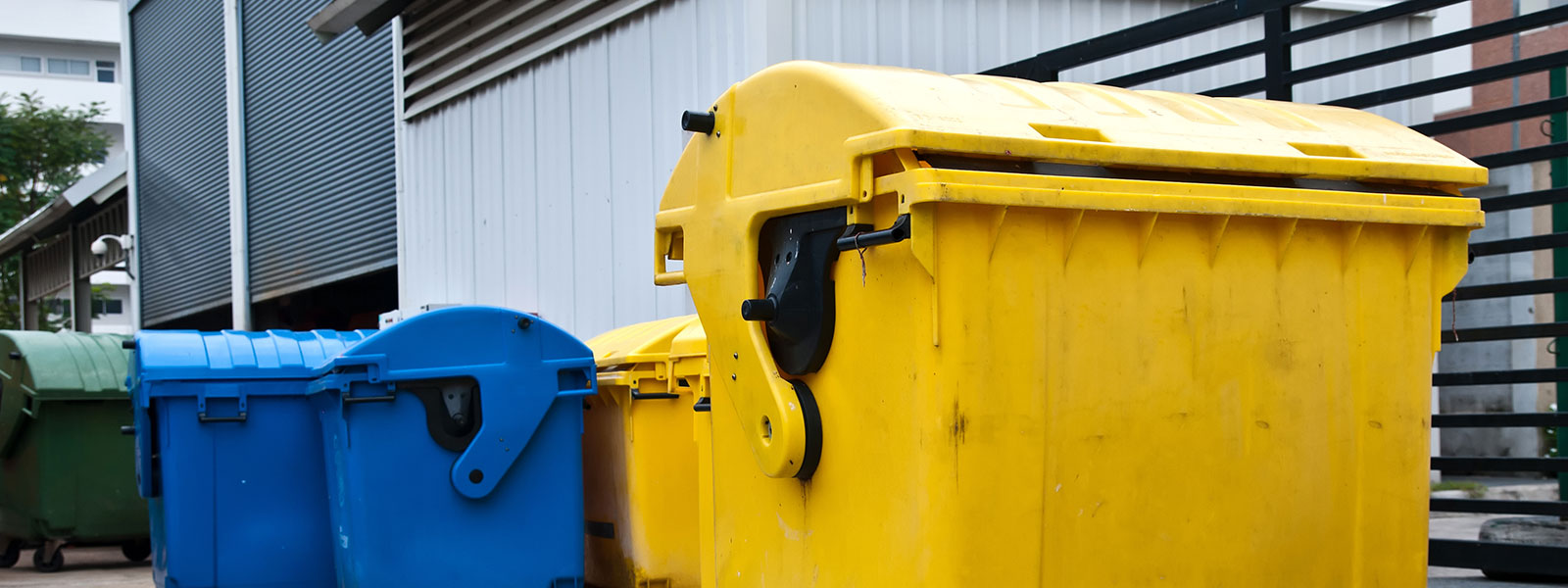
- Choose the right containers: Use bins with clear labels for paper, plastic, and glass/metal. Consider color-coding for added clarity.
- Keep everything visible: Place bins where waste is most generated--for example, close to the kitchen or main living areas.
- Make cleaning simple: Rinse containers before recycling to avoid odor and contamination.
- Provide education: Add signage or stickers to remind family members which materials go where.
- Empty bins regularly to prevent overflow and discourage non-recyclable dumping.
Pro tip: Get the whole family involved by assigning each person a type of recyclable to monitor for the week!
Step 3: Reduce and Reuse Before You Recycle
While recycling is fantastic, the other two R's--reduce and reuse--often have a bigger impact. By minimizing what you bring into your home, you ultimately have less to recycle. Here are some simple strategies:
- Buy in bulk to reduce packaging waste.
- Choose reusable shopping bags, containers, and water bottles.
- Repurpose glass jars or sturdy containers for storage.
- Donate or upcycle gently used items instead of discarding them.
Remember: The less you consume and throw away, the less pressure you put on our recycling systems!
Step 4: Clean and Sort Recyclables the Right Way
Contamination is one of the biggest issues in household recycling. Taking time to rinse and sort correctly can make a massive difference!
Best Practices for Preparing Recyclables
- Rinse bottles, jars, and cans to remove all food residue.
- Break down cardboard boxes to save space in your bins.
- Keep plastic bags out of your curbside bin unless your city specifically allows them.
- Remove lids and bottle caps (unless told otherwise by local guidelines).
- Don't crush cans or bottles unless your community's facility requests it.
Following these steps ensures that your recycling will actually be processed and doesn't end up in a landfill by mistake.
Step 5: Make Recycling an Easy Habit
Consistency is key to effective home recycling. Here's how to make it a natural part of your daily routine:
- Place recycling bins next to your trash cans for convenience.
- Encourage kids by making recycling a family game or rewarding good recycling habits.
- Set reminders to put out recycling bins for collection, so you never miss a pickup.
- Post a list of "dos and don'ts" near your recycling station as a cheat sheet for everyone in the household.
- Share progress and celebrate milestones--like reducing trash output each week.
Over time, these habits will become second nature, helping you maintain a cleaner, greener home.
Step 6: Stay Updated with Your Local Recycling Rules
Every city and county has different rules about what can and cannot be recycled. Regularly check your local programs for updates or changes.
- Sign up for local recycling newsletters or alerts.
- Attend community recycling events to learn about new services (like electronics or hazardous waste drop-offs).
- Follow your municipality on social media for tips and reminders.
When in doubt, reach out to your local waste management provider for clarification.
Step 7: Recycle Beyond the Blue Bin
Many household items aren't accepted in your regular curbside bin but can still be recycled elsewhere. Here are some commonly overlooked items:
- Electronics: Check for e-waste collection drives or stores that offer recycling take-back programs.
- Batteries and bulbs: These often require special drop-off points due to hazardous material content.
- Textiles and clothing: Local charities or textile recycling bins can give new life to old fabrics.
- Plastic bags and film: Drop them off at grocery store recycling bins specifically for soft plastics.
- Ink cartridges, small appliances, and other specialty items may have unique recycling options in your area.
Explore these resources to ensure you're maximizing your home recycling potential!
Step 8: Start Composting
Composting diverts food scraps and yard waste from your trash and instead returns nutrients to the earth. Adding a compost bin to your recycling routine can reduce your household waste by up to 30%!
Composting at Home: A Quick Start Guide
- Set up a compost bin outside (or use a countertop pail for kitchen scraps).
- Collect fruit and vegetable scraps, coffee grounds, eggshells, and yard trimmings.
- Avoid composting meats, dairy, and oily foods as these can attract pests.
- Turn your compost every few weeks to speed up the breakdown process.
Compost enriches your garden, reduces methane from landfills, and completes your home's waste-reducing cycle!
Step 9: Involve the Whole Family
Recycling works best when everyone at home is committed. Make it educational and engaging for children or roommates:
- Give children responsibility for collecting recyclables from around the house.
- Hold fun recycling challenges or crafts using recycled materials.
- Show kids where recyclables go and explain the impact of your actions.
- Celebrate "waste-free" days with family outings or special treats.
The more involved your family is, the more sustainable your new home recycling routine will become.

Step 10: Spread the Word and Inspire Others
Transforming your home recycling habits is just the first step--share your success!
- Post tips and photos of your recycling station to social media.
- Offer to help neighbors set up their own recycling routines.
- Join or start a local green group to motivate positive environmental change in your community.
- Teach kids to present what they've learned at school or local clubs.
By inspiring others to follow your lead, the impact multiplies!
Transform Your Home Recycling: Key Takeaways
- Start with knowledge: Learn acceptable materials and keep up-to-date with local recycling rules.
- Make recycling easy with a user-friendly setup and clearly labeled bins.
- Embrace the 3 R's: Reduce, reuse, and then recycle.
- Sort and clean items to avoid contamination.
- Include your family in building eco-friendly habits.
- Expand your routine with composting and specialty item recycling.
- Be proactive and help others join the movement!
Ready to revolutionize your recycling routine? The journey may start at home, but each action contributes to a cleaner, greener planet for everyone. Start today and transform your home's recycling routine with these tips!
 House clearance
 Rubbish collection
 Do you have a waste build-up in your home that you need taken care of or cleared out? We provide top quality home clearance services in the...
 At Junk Removals Services we believe strongly in providing all of our customers with good quality rubbish collection services in London. We understand the...