020 3859 5574
 020 3859 5574



Preparing bulky household rubbish for safe UK collection
Posted on 13/08/2026
Bulky items are awkward at the best of times. A sagging wardrobe in the hallway, a broken mattress in the spare room, an old sofa that seems to grow heavier every time you move it - it can all turn a simple clear-out into a bit of a faff. That is exactly why Preparing bulky household rubbish for safe UK collection matters. Done properly, it helps protect people, avoids damage to your property, and makes sure collection teams can remove items quickly without avoidable risk.
In the UK, bulky waste collection is usually straightforward once you know how to prep the items. The real challenge is not the lifting; it is the sorting, separating, wrapping, measuring, and making sensible decisions before collection day arrives. This guide walks you through the practical side of it, from what counts as bulky rubbish to how to present it safely, what to avoid, and when a service such as rubbish collection or even house clearance may be the cleaner option.
Let's make it simple, safe, and manageable.

Why Preparing bulky household rubbish for safe UK collection Matters
Bulky household rubbish is more than just "big stuff". It usually includes items that are difficult to carry, awkward to manoeuvre, or impossible to place in normal wheelie bins. Think beds, wardrobes, settees, broken tables, drawers, old carpets, flat-pack panels, fencing sections, or damaged white goods. Some of it is reusable, some recyclable, and some simply needs careful disposal.
Preparation matters because bulky waste creates a few very real risks. A loose drawer can slide during lifting. A glass shelf can shatter. A fridge with a sealed door can become a hazard. Even a fairly ordinary sofa can scratch walls, trap fingers, or block the path if it is not moved properly. On collection day, nobody wants a narrow hallway, a blocked staircase, and three people muttering under their breath. Been there, seen that.
There is also the environmental side. When items are separated properly, collection teams can identify reusable parts, recyclable materials, and anything that needs special handling. That can reduce unnecessary landfill and prevent contaminants from spoiling otherwise useful materials. It is one of those behind-the-scenes jobs that makes the whole system work better.
For many households, this step is also about courtesy and speed. If your items are easy to access, clearly grouped, and safe to lift, the job is smoother for everyone. That usually means less disruption, less time on site, and fewer chances of something going wrong. In a busy street, on a shared driveway, or in a top-floor flat, that can make all the difference.
Expert summary: The safest bulky waste collections start before the lorry arrives. Sort the items, remove hazards, keep access clear, and avoid overcomplicating the job. Simple, but it works.
How Preparing bulky household rubbish for safe UK collection Works
The process is less mysterious than people often expect. In most cases, preparing bulky waste for collection follows a few straightforward stages: identify the items, check whether they need separating, make them safe to handle, place them where the crew can access them, and confirm any special instructions ahead of time.
Different collectors work in slightly different ways. Some local authority services ask you to book a slot and place items outside at an agreed point. Private clearance teams may collect from inside the property, the garden, a garage, or a side passage. Either way, the same basic logic applies: the safer and clearer the load, the easier the collection.
In practice, preparation often includes removing loose contents, taping shut anything that could open, protecting sharp edges, and checking for items that should not be mixed together. A dismantled wardrobe is easier to carry than a full one. A table with removed legs is safer than an awkward wobble through the hallway. You get the idea.
Sometimes the job is not just about one large item. It may be a mixed clear-out after moving house, a bereavement, a loft clearance, or the end of a tenancy. In those situations, you may find it helpful to compare a targeted bulky collection with a wider house clearance approach. The right choice depends on volume, access, and how much sorting you want to do yourself.
Key Benefits and Practical Advantages
Good preparation saves time, but the advantages go further than that.
- Safer handling: Items are less likely to collapse, split, or injure anyone during lifting.
- Cleaner collections: Furniture, appliances, and mixed rubbish are easier to separate if you prep them in advance.
- Fewer delays: Crews can get on with the job instead of stopping to unwrap, untangle, or sort a mess.
- Better recycling potential: When materials are kept distinct, more of them may be recovered properly.
- Less property damage: Door frames, banisters, walls, and flooring are all safer when items are broken down sensibly.
- Lower stress: Clear steps beat last-minute panic. Always.
There is a financial angle too, even if it is not always obvious. If a collection is priced by load size, access difficulty, or labour time, good preparation can make the service more efficient. That does not mean every service works the same way, but it is fair to say an organised load is easier to quote and easier to manage.
For people trying to reduce waste at home, there is also a bigger-picture benefit. Bulky items tend to trigger impulsive throwing-out of other things nearby. Once you start sorting properly, you usually notice what can be repaired, donated, reused, or recycled. If you are building better habits, articles like simple measures to minimise waste at home and smart waste prevention ideas for your home fit neatly alongside this topic.
Who This Is For and When It Makes Sense
This guide is useful for anyone dealing with larger-than-normal waste, but it is especially relevant if you are:
- clearing out an old sofa, mattress, wardrobe, or dining set
- moving home and need to strip out bulky items before handover
- handling a probate, bereavement, or long-term property clearance
- renovating a room and removing broken fixtures or fittings
- emptying a loft, garage, shed, or storage area
- dealing with family possessions that need sorting, not rushing
- trying to avoid an overflowing skip or a stressful last-minute collection
It also makes sense when the items are too heavy, too awkward, or too numerous for normal bin collections. A lot of people assume "bulky waste" just means a sofa and a mattress. Not really. It can include fence panels, broken cabinets, desks, flooring offcuts, dismantled shelving, and other awkward household debris.
If you are dealing with belongings after a bereavement or a family transition, the pace matters as much as the logistics. It can help to read something more reflective, such as handling family members' belongings or addressing a relative's possessions, before you start moving everything around.
Step-by-Step Guidance
If you want a clear method, use this one. It keeps the job tidy and avoids the classic "pile it by the door and hope for the best" approach. Not the best system, honestly.
- Identify every bulky item. Walk through the space and list what needs to go. Be specific: "2-seater sofa", not just "furniture".
- Check for reuse, donation, or repair. Some items may be better given away or fixed than collected as waste.
- Remove personal contents. Empty drawers, pockets, cabinets, and hidden compartments. People forget this more often than you would think.
- Separate different material types. Keep metal, wood, fabric, plastic, glass, and electrical items apart where possible.
- Make items safe to move. Tape doors shut, remove loose shelves, wrap sharp edges, and dismantle if it improves safety.
- Protect the route out. Clear hallways, move shoes, rugs, and obstacles, and keep pets and children out of the way.
- Place items where agreed. For curbside collection, leave them in the designated location. For inside access, ensure the path is open and obvious.
- Flag anything unusual. If an item contains batteries, gas, coolant, or anything breakable, say so before collection day.
- Double-check timing. Collection schedules can vary. Put a reminder in your phone if needed.
For furniture-heavy jobs, dismantling can be a huge help. A bed frame with the slats removed is easier to carry than a full frame. The same goes for wardrobes, desks, and fence sections. If that sounds familiar, you may also find eco-friendly solutions for disposing of large furniture useful.
A quick note on segregation
Segregation simply means keeping similar materials apart so they can be handled properly. It is not fancy language, just tidy logic. A fridge is not the same as a wardrobe. A charging cable is not the same as a mattress. Mixing everything together can make recycling harder and may cause a collector to refuse certain items. That is one of those boring-sounding details that matters a lot.
Expert Tips for Better Results
Here is where a bit of real-world judgement helps.
- Measure before you move: If an item has to travel through a tight staircase or narrow doorway, check dimensions first. Guessing leads to bruises and bad language.
- Take photos of awkward items: This is especially useful if you are booking a service and need to explain access or condition.
- Use the right wrapping: Old blankets, cardboard, and tape can protect walls and fingers during the move.
- Keep wet items separate: Damp carpets, mouldy furniture, or leaking appliances should not be lumped together with clean reusable items.
- Label if helpful: A simple note like "recycle", "donate", or "waste" can save decision fatigue on the day.
- Plan for awkward weights: Two people may be enough for some items, but not all. If it feels unsafe, stop there.
One tip that often gets overlooked: avoid filling bulky items with smaller rubbish "just to save time". It sounds efficient, but it can create problems if the contents are hidden, contaminated, or too heavy. Better to sort properly now than deal with confusion later. Tricky things have a habit of becoming messier than expected - as if waste can smell indecision, which, to be fair, it probably can.
If you are using a collection service for a mixed clean-up, reading about waste clearance services can help you compare what level of help suits your situation.

Common Mistakes to Avoid
Most collection problems come from a few predictable mistakes. They are easy to avoid once you know them.
- Leaving hazardous contents inside: Paint, chemicals, batteries, fuel, and pressurised canisters are not something to ignore.
- Not disassembling large pieces: A complete wardrobe is harder to move than its parts, and often less safe.
- Blocking access: It sounds obvious, but bins, bikes, garden tools, and parked cars can all get in the way.
- Mixing electrical items with general rubbish: Some items need separate treatment, especially anything with plugs, screens, or cooling components.
- Overestimating what can be lifted safely: A heavy item plus a tight corner is a recipe for trouble.
- Forgetting the weather: Rain can make cardboard soggy, carpets heavier, and outdoor paths slippery. A small thing, but it matters.
Another common slip is assuming every item can go out on the same day without checking the rules. Local collection services and private teams do not always handle bulky rubbish in exactly the same way. If you are unsure, ask before moving everything outside. It is quicker to ask than to drag a sofa back in again. Nobody wants that Tuesday.
Tools, Resources and Recommendations
You do not need a van full of gear, but a few basic tools make preparation much safer and easier.
- Gloves: For grip and protection from sharp corners or rough edges.
- Heavy-duty bin bags: Useful for loose contents, cushions, fabrics, and smaller fragments.
- Packing tape: Good for securing drawers, cables, loose doors, and packaging.
- Blankets or moving pads: Handy for protecting floors, bannisters, and walls.
- Marker pen and labels: Simple, but brilliant for sorting and identifying items.
- Screwdriver or Allen keys: Often needed for dismantling flat-pack furniture or bed frames.
- Measuring tape: Essential for awkward access points and larger items.
For people who like a more structured decluttering process, it can also help to revisit the art of minimalism and decluttering your life. That way, bulky rubbish collection becomes part of a wider reset, not just a one-off panic job.
If your clear-out includes awkward household goods beyond furniture - old chargers, household plastics, pots, pans, or plant containers - you may find these related guides useful as part of the sorting process: disposing of outdated chargers, recycling pots and pans, and disposing of plant pots efficiently.
Law, Compliance, Standards, or Best Practice
While this article is not legal advice, there are a few sensible UK best-practice points to keep in mind. Household waste should be presented in a way that is safe for those collecting it and for anyone else nearby. That means no concealed hazards, no loose sharps, and no mixing items in a way that creates unnecessary risk.
If an item may contain hazardous components, treat it with extra caution. That includes things like batteries, gas canisters, refrigerant-based appliances, certain chemicals, and contaminated materials. For electrical items, the usual expectation is that they are handled separately when required. The same goes for items that may be classed as hazardous waste or that need specialist treatment because of what they contain.
A practical rule of thumb is this: if it could leak, explode, puncture, or contaminate other waste, pause and check before putting it out. No collector wants surprises, and neither do you. The safest households tend to be the ones that ask one extra question.
For readers who want to understand the risk side of disposal better, which materials are classified as hazardous offers a helpful starting point. It is especially useful when bulky rubbish includes old storage containers, chemical products, or mixed materials from a shed or garage.
Options, Methods, or Comparison Table
Not every bulky waste job needs the same approach. Some people only need a single collection. Others need a broader clear-out. Here is a simple comparison to help you think it through.
| Option | Best for | Strengths | Limitations |
|---|---|---|---|
| Local bulky waste collection | One-off large items or a small number of pieces | Simple, familiar, often cost-effective | May have collection limits, booking rules, or item restrictions |
| Private rubbish collection | Faster turnaround or mixed bulky waste | Flexible, often helpful for awkward access | Can be more expensive depending on volume and labour |
| Skip hire | Ongoing clear-outs, DIY waste, or larger projects | Good for staged loading over time | Space, permits, and loading limits may apply |
| House clearance | Whole-room, whole-property, or bereavement clear-outs | More comprehensive, less hands-on for the customer | Usually more involved than a simple bulky pickup |
If you are weighing up disposal methods, you may also want to look at mini skips and common skip hire mistakes. Those pages are handy if your bulky rubbish is part of a larger tidy-up rather than a single-item collection.
Case Study or Real-World Example
Here is a realistic example. A couple cleared out a downstairs spare room after years of using it as a sort of storage limbo. The room contained a broken futon, a small wardrobe, two bedside tables, a cracked mirror, and several bags of mixed household clutter. Nothing dramatic. Just the sort of room that quietly becomes a problem over time.
Instead of trying to move everything in one go, they split the job into stages. First they emptied the drawers and sorted the contents. Then they removed the mirror and packed it separately. The wardrobe doors came off, the futon was stripped down, and the loose fixings went into a labelled bag. They cleared the hallway before collection day and protected the skirting with old blankets. Simple things.
The result was a much smoother collection. There was no frantic lifting in the doorway, no scrambling for tape, and no "where does this bit go?" moment halfway through. More importantly, they realised some of the smaller items could be donated or recycled rather than thrown away with everything else. That small pause changed the whole feel of the job.
That is the real value of preparing bulky rubbish carefully. It turns a stressful clearance into something controlled, even if it still feels a bit messy at the start.
Practical Checklist
Use this quick checklist before collection day. Print it, copy it into your notes, or just run through it once with a cup of tea in hand.
- List every bulky item that needs collecting
- Check whether anything can be reused, donated, or repaired
- Remove personal belongings from drawers, pockets, and compartments
- Separate electrical items, hazardous items, and general furniture
- Dismantle large pieces where it improves safety
- Tape or secure loose parts, doors, and drawers
- Clear hallways, doorways, stairs, and outside access points
- Protect floors and walls if items must pass through tight spaces
- Check the agreed collection point and time
- Tell the collector about any awkward access or unusual items
- Keep pets and children away from the route
- Do one final sweep for screws, glass, or loose debris
Practical takeaway: the smoother the route and the clearer the load, the safer and easier the collection will be. That is the heart of it.
Conclusion
Preparing bulky household rubbish for safe UK collection is really about making a difficult job orderly. Once you break it down, the process is not complicated: sort the items, remove hazards, clear the access, and choose the right collection method. Do that well, and you reduce risk, save time, and make the whole experience far less stressful.
It also gives you a small but meaningful chance to make better decisions about what stays, what goes, and what might be reused. In that sense, a bulky waste clear-out is not just disposal. It is a reset. And sometimes a very needed one.
If your collection involves multiple rooms, mixed items, or a property that needs a more complete clear-out, it may be worth exploring a broader service such as house clearance or a more flexible rubbish collection option. The best route is the one that fits your space, your timeline, and your sanity.
Get a free quote today and see how much you can save.
And if you are standing in the hallway right now wondering where to begin, start with one item. Just one. The rest usually follows.
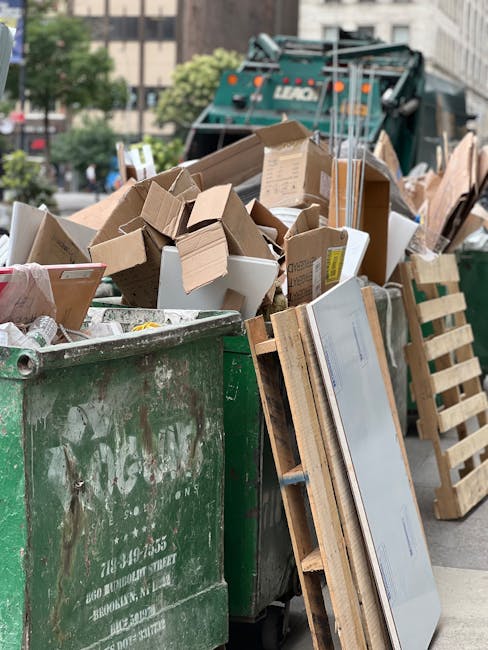
 House clearance
 Rubbish collection
 Do you have a waste build-up in your home that you need taken care of or cleared out? We provide top quality home clearance services in the...
 At Junk Removals Services we believe strongly in providing all of our customers with good quality rubbish collection services in London. We understand the...