Builders Waste Clearance in London
If you are renovating a flat in Clapham, refurbishing a shop unit in Shoreditch, or managing a larger building project anywhere across the capital, one thing becomes clear very quickly: builders waste clearance in London needs to be handled properly. Dusty rubble, broken timber, plasterboard offcuts, old fixtures, packaging, and mixed construction debris can build up fast, creating clutter, slowing the job down, and making the site harder to work on safely.
A reliable clearance service helps keep your property moving from demolition to completion without unnecessary delays. In a city like London, where access can be tight, parking is limited, and many buildings sit on busy streets or shared courtyards, having a practical waste removal solution matters. Whether you are a homeowner, landlord, contractor, facilities manager, or tradesperson, the right team can remove construction rubbish efficiently and leave the area ready for the next stage of work.
Our approach is designed for real local needs: flexible collection, sensible planning around access and loading restrictions, and careful handling of bulky and heavy materials. If you need builders waste clearance London customers can depend on, this page explains what is included, how the service works, what affects pricing, and how to prepare for a smooth collection. Contact us today to request a free quote or book your service now.
Why builders waste clearance matters on London projects

Construction and refurbishment work naturally creates waste. Some of it is expected, such as broken brick, plaster, wood, and packaging. Some of it appears gradually as the job progresses, especially when trades are working in phases. In London properties, where space is often limited, even a small amount of debris can quickly get in the way. Hallways in terraced houses, narrow staircases in converted buildings, basement access routes, and shared entrances in mansion blocks all become difficult to use when waste is left stacking up.
Good waste clearance is not just about tidying up. It helps protect the working area, supports site safety, and keeps projects on schedule. A clear space means tradespeople can move more freely, store tools more securely, and complete work without constantly stepping around rubble bags or offcuts. For domestic clients, this can make a renovation feel far less disruptive. For commercial clients, it can reduce downtime and make it easier to keep the premises operational where possible.
In many London neighbourhoods, there are also practical issues beyond the waste itself. Parking suspensions, controlled parking zones, loading restrictions, and limited roadside space all affect how debris can be removed. A local team understands these realities and can plan collections around them. That is one of the biggest reasons people choose a local service rather than trying to move everything themselves.
What is included in a builders waste clearance service?
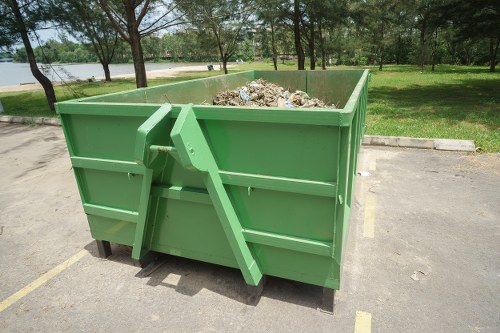
Every project is different, but a professional builders waste removal service is typically built around collecting, lifting, loading, and responsibly disposing of construction debris. The aim is to take away the waste that is left after building, renovation, or refurbishment works, without you having to organise multiple trips to the tip or fill your own vehicle with heavy material.
Common materials collected include:
- Bricks, rubble, concrete, and mortar
- Plasterboard, plaster, and render waste
- Timber, joists, skirting, and offcuts
- Kitchen and bathroom rip-out waste
- Packaging from fixtures, fittings, and supplies
- Metal, pipework, cable offcuts, and scrap material
- Tiles, ceramics, sanitary ware, and broken fittings
- Soil, hardcore, and garden construction debris from landscaping work
Some clearances are straightforward, such as a pile of bagged rubble from a small bathroom renovation. Others involve mixed loads from a full property refurbishment, strip-out, loft conversion, or commercial fit-out. A good service can deal with both, saving you time and reducing the physical strain of shifting heavy items through busy London streets or cramped stairwells.
It is always worth checking the exact waste type before booking. Items such as hazardous materials, asbestos, certain chemicals, and specialist regulated waste may need separate handling. If you are unsure what your project includes, ask in advance so the job can be assessed correctly.
Who uses builders waste clearance in London?

This service is used by a wide range of local customers. In London, property types vary dramatically from one area to the next, and so do the waste removal needs. A Victorian terrace in Walthamstow does not create the same waste pattern as a new office fit-out in Canary Wharf or a basement conversion in Kensington. That is why flexible, local knowledge is so useful.
Typical customers include:
- Homeowners renovating kitchens, bathrooms, lofts, or extensions
- Landlords preparing rented property between tenancies
- Letting agents and property managers dealing with end-of-project clearance
- Builders, plumbers, electricians, and carpenters who need waste removed from site
- Commercial fit-out teams working in offices, shops, and hospitality spaces
- Developers handling post-build or strip-out debris
- Tradespeople looking for reliable on-demand removal after a busy day on site
Each type of customer needs something slightly different. A homeowner may want a quick one-off clearance before carpets are fitted. A contractor may need repeat collections during a renovation. A commercial client may require collection timed around business hours or access rules in a managed building. The best service is one that adapts to the job, rather than forcing you into a one-size-fits-all approach.
London properties often present unique access challenges that make local experience valuable. Communal hallways, basement flats, restricted lifts, high-rise loading bays, and busy main roads can all affect how waste is collected. A team that knows how to work in these environments can save you stress and avoid unnecessary delays.
How the service works
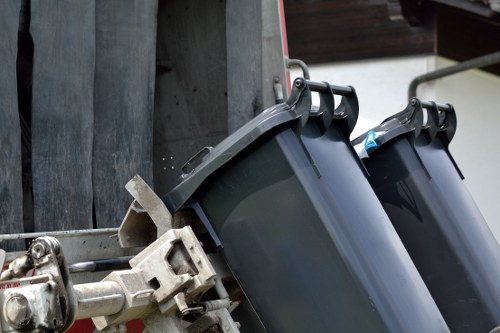
The process is usually simple and designed to keep things moving. Whether you have a small amount of renovation debris or a large mixed builder’s load, the goal is to make collection straightforward and efficient.
Typical steps include:
- Initial enquiry – You describe the waste, the property type, and the access conditions.
- Assessment – The collection is planned based on volume, material type, and any site restrictions.
- Arrival and loading – The team comes to your London property, loads the waste, and removes it from the site.
- Responsible disposal – Waste is taken for sorting, recycling, and disposal in line with the type of material collected.
- Site cleared – The area is left more usable so your project can continue.
For many customers, speed and convenience are the main benefits. Instead of spending hours filling bags, hiring a vehicle, and searching for disposal options, you can keep the job focused on the build itself. That is especially helpful on projects with tight deadlines, such as flat refurbishments, rental turnarounds, or shop refurbishments where downtime needs to be reduced.
In London, timing also matters. Collections may need to fit around school runs, traffic congestion, building management rules, or neighbours’ access requirements. A local service understands these realities and can plan collections to reduce disruption. Book your service now if you want waste removed without slowing your project down.
Why choose a local builders waste team in London?

There are good reasons to choose a local company for builders waste clearance in London. The city’s layout, traffic patterns, and property styles are all quite different from one borough to another. A local team is more likely to understand how to work around controlled parking, busy road access, narrow mews streets, and apartment block rules.
Here is why local knowledge helps:
- Better understanding of access issues in terraces, flats, and commercial buildings
- More practical planning around parking and loading restrictions
- Faster response for urgent or short-notice clearances
- Experience with mixed residential and commercial waste loads
- Awareness of how to work neatly in occupied properties and shared spaces
- Knowledge of borough-level site challenges without overcomplicating the process
London projects often happen in occupied buildings, not empty construction sites. That means care matters. You may need waste removed from a communal hallway without blocking neighbours, or from a rear alley with limited vehicle access. You may be managing a renovation while the property is still lived in. In these situations, a team that works tidily and efficiently is worth its weight in time saved.
Builders waste clearance London customers often want a simple answer to a simple problem: get the rubbish gone without hassle. A local service is built around exactly that need.
Areas covered across London
Services are available across a wide spread of London neighbourhoods, boroughs, and surrounding districts, with collections arranged for residential streets, commercial premises, construction sites, and mixed-use buildings. Because London is so varied, waste clearance often involves different access conditions depending on the area. Central locations may have loading restrictions and tight service roads, while outer areas may involve larger plots, drive access, or longer loading distances.
Typical coverage can include areas such as:
- Central London
- North London
- South London
- East London
- West London
- Inner and outer borough locations
- Residential suburbs, high streets, estates, and business districts
Examples of areas where this kind of service is often needed include Islington, Camden, Hackney, Tower Hamlets, Southwark, Lambeth, Hammersmith, Ealing, Brent, Wandsworth, Greenwich, Lewisham, Hounslow, Barnet, Richmond, and many more. Every part of London has its own building mix, from period homes and post-war estates to office blocks, retail units, and newly built apartments. That variety makes flexible builders rubbish removal especially useful.
What kinds of projects need it most?
Some jobs create waste in a predictable way, while others produce more debris than expected. Builders waste clearance is particularly useful when a project includes strip-out work, demolition, or the removal of old fittings and finishes. It can also be essential when multiple trades are working on the same site and waste builds up quickly between stages.
Common project types include:
- Kitchen removals and refurbishments
- Bathroom rip-outs and upgrades
- Loft conversions and extensions
- Basement renovations
- Full house or flat refurbishments
- Office fit-outs and reconfigurations
- Shop, café, and restaurant refurbishments
- Post-build clean-downs
- Landscaping and hardstanding projects
For domestic work, customers often need help at the point where old materials are removed before new installations arrive. For commercial work, timing is often more critical because fit-outs must run to schedule. Either way, keeping the site clear helps the job progress. It also reduces the risk of trip hazards and gives a much better first impression when clients, neighbours, or inspectors need access.
Residential waste clearance needs
Homeowners and landlords often face a very practical problem: a lot of building waste and nowhere suitable to put it. London homes, especially terraces, maisonettes, and flats, rarely have the spare outdoor space needed to store debris for long. If you are living in the property during works, you may want waste removed in stages so rooms stay usable. If the property is empty, you may want a full clearance at the end of the job so cleaners, decorators, or installers can move in.
Residential customers often value polite, careful handling of shared spaces. That may mean protecting hallways, avoiding damage to walls or floors, and keeping collections as discreet as possible. It is not just about taking rubbish away; it is about doing it in a way that suits the property and the people in it.
Commercial and trade waste needs
Commercial premises usually require a different pace. Shops, offices, restaurants, and hospitality venues may need clearance outside peak hours or during narrow windows of access. Tradespeople may want repeat collections during a long project so their working area stays open and safe. In these cases, regular removal can be just as important as the final clear-out.
When waste is removed promptly, teams can work more efficiently and avoid clutter building up around entrances, service corridors, or storage rooms. That can make a noticeable difference on busy sites with multiple contractors on rotation.
Pricing factors for builders rubbish removal
Every project is different, so costs are usually influenced by practical factors rather than a fixed one-size-fits-all rate. Customers in London often want to know what affects the quote, and that is a fair question. The most helpful quotes are based on the actual job, not a rough guess.
Common pricing factors include:
- Volume of waste
- Type of material being removed
- Weight and heaviness of the load
- Ease of access to the waste
- Distance from the waste to the vehicle
- Whether labour is needed to lift and carry materials
- Any special handling requirements
- Timing, urgency, or repeat collection needs
For example, a pile of bagged plasterboard from a small update is likely to be simpler than a full mix of rubble, tiles, timber, and sanitary ware from a complete bathroom strip-out. A waste collection from a ground-floor unit with direct vehicle access may be more straightforward than a top-floor flat with no lift and a long carry route. These are the kinds of details that help shape a fair quote.
If you are trying to compare services, look at what is included rather than focusing only on the headline number. Clear information, sensible scheduling, and responsible disposal all matter when you want a project to run smoothly. Request a free quote and include as much detail as possible so the estimate reflects the real job.
How to prepare for a clearance visit
A little preparation can make builders waste removal quicker and easier. You do not need to do everything yourself, but simple steps can help the team work efficiently on arrival. This is especially useful in London properties where space is tight and access may need to be managed carefully.
Preparation checklist:
- Separate building waste from general household rubbish where possible.
- Keep the waste in one accessible area if it is safe to do so.
- Remove valuables, tools, and items you want to keep from the clearance area.
- Let the team know about stairs, lifts, parking access, or loading restrictions.
- Flag any heavy, awkward, or sharp items in advance.
- Check whether your waste includes materials that may need specialist handling.
- Make sure shared access points are available at the agreed time.
If you are on a live site, it can also help to coordinate with other trades so collections do not interrupt critical work. On domestic refurbishments, try to keep pets, children, or residents away from the loading area while the clearance is taking place. These small steps can reduce disruption and make the visit more efficient.
What makes a good builders waste clearance service?
Not every service is the same, and customers are wise to look for more than just a quick removal. Good builders rubbish clearance is about reliability, respectful handling of the property, and a clear process from start to finish. The best services are easy to arrange, easy to understand, and easy to trust.
Look for these qualities:
Clear communication: You should be able to explain the job and get a sensible response without confusion.
Local experience: London access issues, parking limits, and property layouts should be understood rather than treated as a surprise.
Practical flexibility: The service should suit domestic and commercial jobs, from small one-off collections to larger clearances.
Responsible disposal: Waste should be handled in a way that reflects the material type and the requirements of the job.
Careful working: The team should respect your property, neighbours, and the surrounding area.
Questions worth asking before you book
If you are unsure whether a company is right for your project, ask about the kinds of waste they collect, how they handle access restrictions, whether labour is included, and how they manage mixed loads. It is also sensible to ask what information is needed for a quote, especially if the waste is spread over several rooms or floors.
These questions help you compare like for like and reduce the risk of surprises on the day. A straightforward service should be happy to explain the process clearly.
Builders waste clearance for London refurbishments and renovations
Renovation projects are where this service really proves its value. London homes and commercial premises often undergo staged works: strip-out, structural work, first fix, second fix, finishing, and final tidy-up. At each stage, different waste can appear, and leaving it too long can cause practical problems. A regular or one-off clearance helps each phase run more smoothly.
For instance, during a kitchen refit, old cupboards, worktops, tiles, and appliances may all need removing before new installations can begin. During a loft conversion, timber offcuts and packaging can pile up around the staircase. During an office refurbishment, old desks, panels, and fittings may need to be removed quickly so the project stays on timetable. In all these situations, keeping the site free from excess waste makes a visible difference.
Where properties are occupied, it is often helpful to arrange clearance in stages rather than waiting for the end of the project. That can reduce mess, make the home more liveable, and help trades work safely. For landlords and managing agents, it also creates a cleaner handover between contractors, tenants, and final decorators.
Frequently asked questions
Can you clear mixed builders waste?
Yes, mixed loads are common on London projects. A combination of timber, rubble, tiles, packaging, plasterboard, and fixtures can usually be collected together, although it is helpful to describe the materials in advance so the team can plan properly.
Do I need to move the waste myself?
Not necessarily. Many customers book a service because they do not want to lift heavy or awkward material. If the waste is accessible and it is safe to do so, the team can usually handle the loading. If the waste is spread over several floors or difficult to reach, mention that when you enquire.
What if I have a small amount of waste?
Small jobs are still worth arranging, especially when the waste is bulky, heavy, or difficult to dispose of without a suitable vehicle. Even a modest amount of rubble or ripped-out fittings can be inconvenient to transport in London.
Can you help with trade waste during the project?
Yes. Many builders and tradespeople use clearance services during an active job, not only at the end. This can be especially useful on long refurbishments where waste builds up gradually and needs to be removed in stages.
What should I do with hazardous materials?
Tell the team as soon as possible if your project involves potentially hazardous waste. Some materials require special handling and should not be mixed with standard builders rubbish. It is always better to raise this early so the right arrangement can be made.
Is this suitable for flats and properties with limited access?
Yes, many London clearances involve flats, maisonettes, estates, and buildings with shared entrances or limited parking. Access details help the job go smoothly, so it is important to mention stairs, lifts, loading points, or any restrictions before booking.
Book a local builders waste clearance service
If you are dealing with renovation debris, strip-out waste, or leftover materials from a construction job, a local team can take the pressure off and keep your project moving. From compact residential clearances to larger commercial removals, the service is designed to save time, reduce clutter, and remove the hassle of sorting out waste on your own.
London projects often come with extra practical challenges, but they also benefit from local know-how and a flexible approach. Whether you are clearing a flat in Battersea, refurbishing an office in the City, upgrading a property in North London, or finishing a shop fit-out in West London, a reliable clearance service can make a real difference to the pace and cleanliness of the job.
Contact us today to discuss your waste, get a free quote, and arrange a collection time that fits your schedule. If you want builders waste clearance in London handled efficiently and professionally, book your service now and keep your project moving forward.