Recycling and Sustainability at Junk Removals Services
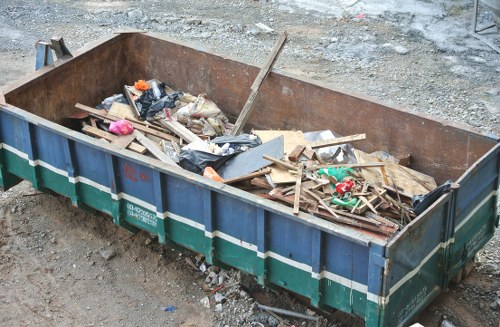 At Junk Removals Services, sustainability is built into the way we clear, sort, and move waste. Our junk removal recycling process is designed to keep reusable materials out of landfill wherever possible, while still making every collection fast, safe, and efficient. We work with a recycling percentage target that aims to divert at least 90% of suitable items from disposal through reuse, recycling, and responsible recovery. That means each load is assessed carefully, separated by material, and directed to the right next step rather than simply being tipped as mixed waste.
Across domestic and commercial collections, we focus on a materials-first approach. Metal, wood, cardboard, hard plastics, green waste, and electrical items are identified and sorted so they can enter specialist recycling streams. In busy urban areas, this is especially important because different boroughs often apply varied waste separation expectations for mixed recyclables, bulky waste, and commercial refuse. Our teams adapt to those local requirements by keeping recyclable items clean, separated, and suitable for transfer to the correct facility.
We also prioritise item recovery before disposal. Furniture that is still in good condition may be set aside for charity partners, while appliances and office equipment are checked for parts that can be reused or recycled. 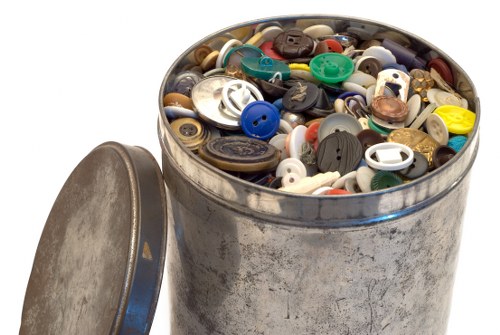 This helps reduce the carbon impact of the overall service and supports a more circular approach to junk clearance recycling. The result is a cleaner route from collection to reuse, with less waste sent to landfill and more value retained in materials that still have a useful life.
Local transfer stations play a central role in our sustainable process. Instead of carrying unsorted waste long distances, we use nearby transfer stations and recovery sites to shorten vehicle journeys and improve sorting accuracy. These facilities help separate general waste from recyclable fractions, and they are particularly useful for handling the mixed loads common in household clearances, office strip-outs, and garden waste removal. Using local infrastructure also helps us keep our operations more efficient and lower in emissions.
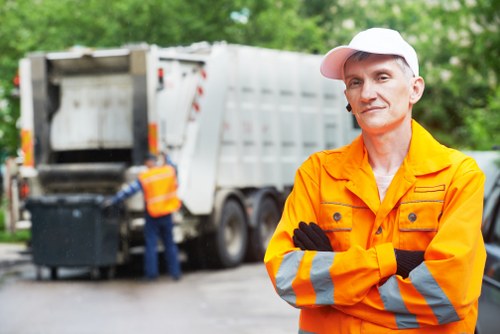
 Our partnerships with charities are another important part of our sustainability commitment. Many items collected during a clearance can be reused by organisations that support families, community projects, and low-income households. Sofas, tables, wardrobes, books, and household goods are often suitable for donation if they meet safety and condition standards. By directing usable goods into charitable reuse channels, our eco-friendly junk removals service helps extend the life of products and supports local communities at the same time.
We also work closely with specialist recyclers for electrical and mixed-material items. Old monitors, cables, small appliances, and lighting equipment may contain components that can be dismantled and processed separately. In some boroughs, there is a strong emphasis on separating electronic waste from other household rubbish, while other areas focus on strict segregation of cardboard, metals, and food-contaminated packaging. Our teams understand these local differences and handle collections accordingly, ensuring that the right materials reach the right recycling route.
The vehicles used in our service are selected with sustainability in mind too. Our low-carbon vans are designed to reduce emissions through improved fuel efficiency, route planning, and load optimisation. By grouping collections where possible and avoiding unnecessary mileage, we cut down on fuel use without compromising service quality. For customers looking for a more responsible junk collection option, this means the environmental footprint of the entire job is considered from start to finish.
In practical terms, sustainability begins the moment a team arrives on site. Items are sorted into clear categories, including recyclable metals, reusable household goods, timber, green waste, and residual rubbish. This careful approach means that a single clearance can generate several different recovery outcomes. For example, a broken wardrobe may yield recyclable wood components, a metal frame may be sent for processing, and packaging materials may be baled for paper recycling. Even small details, such as keeping separate bags for plastics and dry recyclables, can make a meaningful difference.
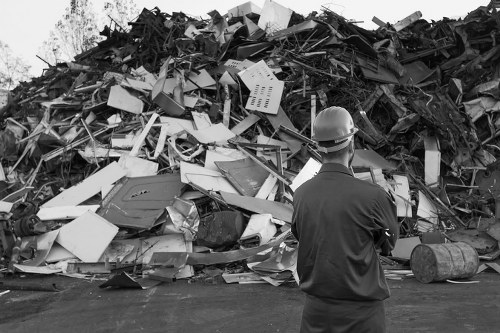
 Our commitment to recycling junk removal is also reflected in how we manage larger commercial and construction-related clearances. Office furniture, shelving, scrap metal, pallets, and building offcuts often contain recoverable material that should not be treated as general waste. Where appropriate, we separate items into wood recovery, metal recycling, WEEE channels, and inert waste processing. This is especially useful in densely populated boroughs where waste separation rules can be more structured and where local authorities encourage higher recycling performance from businesses.
We believe sustainability should be practical, not complicated. That is why our process is built around clear sorting, local recovery networks, charitable reuse, and efficient transport. By combining these steps, our junk removals services can support cleaner streets, lower landfill dependency, and better use of valuable resources. 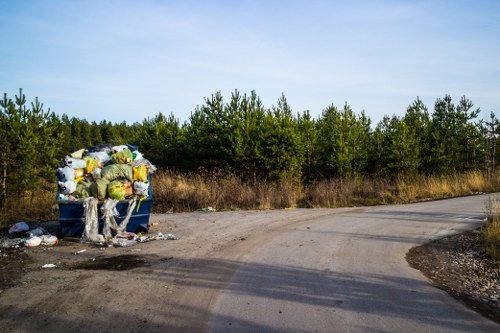 From single-item collections to full property clearances, each job is handled with the same goal: reduce waste, recover more, and keep useful materials circulating for as long as possible.
As cities continue to strengthen recycling systems, we keep adapting to local needs and borough-specific waste separation habits. Whether the focus is on metal recovery, cardboard baling, electrical recycling, or furniture reuse, our approach is to match each material with the most responsible destination. In doing so, we help customers choose a greener clearance service that balances convenience with environmental care.