Large Item Collection in London
If you need Large Item Collection in London, you are probably dealing with something awkward, heavy, bulky, or simply too difficult to move on your own. It might be an old sofa that will not fit through the hallway, a wardrobe that needs dismantling before it can leave a flat, a broken treadmill taking up space in a spare room, or office furniture that has to be cleared before a refurbishment. Whatever the item, a local collection service can save you time, reduce stress, and help you clear space quickly without trying to manage lifting, transport, or disposal arrangements yourself.
London properties bring their own set of challenges. Many homes have narrow staircases, basement access, top-floor flats, controlled parking zones, busy roads, and limited lift access. Commercial premises may have loading restrictions, tight delivery windows, or shared access with other businesses. That is why a local team offering large item collection in London is valuable: they understand the city, the property types, and the practical realities of removing bulky items efficiently.
Whether you are a homeowner in a terraced house, a tenant in a purpose-built block, a landlord preparing a property between lets, or a business clearing equipment from a shop, studio, or office, a professional collection service can make the process much easier. It is about more than just moving an item from one place to another; it is about safe handling, responsible disposal, and a service that works around real London logistics.
Why a local bulky item collection service matters in London

London is not a one-size-fits-all city. The needs of someone living in a Victorian conversion in Clapham are very different from those of a resident in a tower block in Stratford or a business operating from a workshop in Acton. Large item collection in London needs to be flexible enough to handle these differences while still being efficient and straightforward for the customer.
A local team can plan around the realities of London access, including resident permit bays, time-limited loading spaces, and the challenge of carrying large furniture through stairwells that were never designed for modern oversized items. This local knowledge reduces delays and helps the collection run more smoothly from start to finish.
It also matters because customers often need a quick turnaround. Perhaps you are moving out, preparing a property for new tenants, replacing old furniture, or clearing out a business unit. In these situations, bulky item removal is not just convenient; it is essential. A responsive service can keep your project on schedule and help you avoid last-minute disruption.
Common reasons people book large item collection
There are many everyday reasons London customers look for help with bulky item removal. Some of the most common include:
- Replacing old sofas, beds, mattresses, wardrobes, or dining tables
- Clearing furniture after a move, tenancy change, or property sale
- Removing broken appliances such as fridges, freezers, washing machines, or cookers
- Disposing of office desks, chairs, filing cabinets, and storage units
- Clearing items from lofts, basements, garages, sheds, or storage rooms
- Removing bulky items from commercial premises during refits or closures
- Making room for renovations, decorating, or new deliveries
For many households, one large item collection can free up a surprising amount of space. For businesses, it can restore workflow and make a site safer and easier to use. That is why this service is often booked not only for disposal, but also for practical property management and day-to-day convenience.
What is included in a large item collection service

A proper bulky item collection service should be clear about what is included. Customers want to know that the team will do more than just arrive with a vehicle. They need help with lifting, loading, and taking the item away in a way that is efficient and responsible.
Typical service inclusions may cover collection from inside the property, stairwell removal, careful handling through shared areas, loading from gardens or outbuildings, and transport to the appropriate facility. In some cases, items may need partial dismantling before removal, such as taking apart bed frames, wardrobes, or desk units to fit them through tight spaces.
Depending on the type of item and the property layout, the team may also need to assess access in advance. In London, this is especially useful because a straightforward collection in one street can be difficult in another due to parking controls, traffic patterns, or narrow entrances. A local provider can plan for these factors rather than treating every job the same.
Items commonly collected
Most large item collection services in London can assist with a wide range of bulky objects, including:
- Three-piece suites, corner sofas, sofa beds, armchairs, recliners
- Beds, headboards, mattresses, bunk beds, wardrobes, chests of drawers
- Fridges, freezers, tumble dryers, ovens, dishwashers, washing machines
- Desks, office chairs, cabinets, shelving, conference tables
- Exercise equipment such as treadmills, bikes, rowers, and benches
- Garden items such as benches, outdoor tables, BBQ units, sheds, and fencing panels
- Large miscellaneous items from storage rooms, lofts, or commercial stock areas
Not every collection is the same, so it helps to describe the item clearly when arranging the service. That allows the team to plan the right number of people, the right vehicle type, and any tools needed for safe removal.
How the collection process works
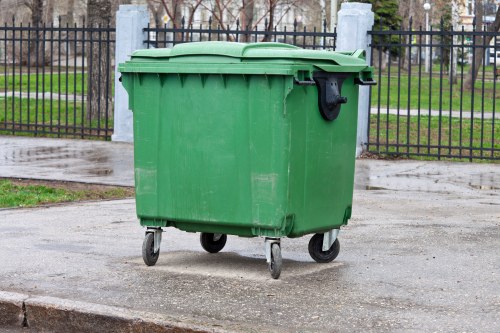
Many people choose a professional collection service because they want a process that feels simple and practical. Large item removal should not create more hassle than the item itself. When arranged properly, the service should be clear from the first enquiry to the final clearance.
In most cases, the process begins with a short description of the item or items you want removed, along with your London location, access details, and any special considerations such as stairs, parking, or dismantling. This helps the team understand what is involved and prepare accordingly.
Once the collection is scheduled, the team arrives, assesses the item on site, and confirms the most efficient removal route. If the item can be taken away as it is, that is ideal. If not, careful dismantling may be needed. The item is then moved out, loaded securely, and taken away for the next stage of processing, which may include reuse, recycling, or disposal depending on the item type and condition.
Step-by-step service flow
- Share details about the item, property access, and preferred timing.
- Receive a collection arrangement based on the job requirements.
- Prepare the area if needed, such as clearing a path or emptying drawers.
- The team arrives and checks access, lifting points, and safe removal options.
- The item is removed, loaded, and taken away promptly.
- Any follow-up paperwork or job confirmation is completed if required.
For customers with more than one item, grouping collections into one visit can often be more practical than arranging separate removals. This is especially useful in London, where traffic and parking can make multiple visits inconvenient.
Why London access and parking make a difference
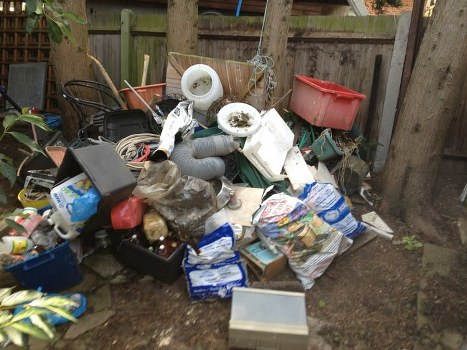
One of the biggest reasons customers look for a local bulky item service is the complexity of getting a vehicle near the property. In many parts of London, access is not simple. A collection might need to be timed around parking availability, yellow lines, controlled zones, road restrictions, or building rules on where items can be taken from.
For flats and apartments, lift size, concierge rules, and communal access can affect the job. For terraced streets, especially in central and inner London, on-street parking may be tight and carrying distance may be longer. For commercial units, loading bays may have a time limit or require coordination with building management.
This is where a local team makes a real difference. They understand that a collection in Kensington, Hackney, Islington, Lewisham, Hammersmith, Southwark, Ealing, or Croydon may all require different planning. The right provider will factor in the area before arriving, which helps reduce delays and makes the service more reliable for the customer.
Examples of London property types that often need help
- Victorian and Edwardian terraces with narrow staircases
- Purpose-built flats with lifts or shared corridors
- Converted buildings with tight internal access
- Basement flats with long steps or limited street access
- New-build apartments with concierge or loading restrictions
- Shops, salons, cafés, and offices with rear service access only
Planning around these details matters because it keeps the collection safe and efficient. It also helps avoid unnecessary disruption for neighbours, building managers, or other occupants.
Large item collection for homes, landlords, and businesses

This service is useful across residential and commercial settings. Homeowners may need help after upgrading furniture or clearing a room. Tenants may need to remove items before the end of a tenancy. Landlords often book bulky item collection between lets or after a property has been left with unwanted furniture. Businesses may need regular or one-off removals when replacing office furniture, clearing stock, or making room for refurbishment.
Residential customers often want a service that is careful, quiet, and respectful of the property. In shared buildings, that means protecting hallways, avoiding unnecessary disruption, and removing items without creating extra mess. For family homes, it may involve working around school runs, childcare, or limited availability during the day.
Commercial customers often need a collection that fits into business hours, building access rules, and site schedules. Office clearances, retail refurbishments, and hospitality changes often require bulky item removal to happen quickly so the premises can keep operating or be handed over on time.
Benefits for different customer types
- Homeowners: regain space without lifting or transport stress
- Tenants: clear bulky items before moving out or changing rooms
- Landlords: prepare properties more quickly for incoming tenants
- Businesses: remove unwanted equipment with less downtime
- Property managers: coordinate clearances for multiple units or shared spaces
When a service is set up properly, it becomes a practical solution rather than an inconvenience. That is especially important in London, where time, access, and space are often limited.
How to prepare for your collection
A little preparation can make large item collection smoother and faster. You do not usually need to do heavy lifting yourself, but a few simple steps can help the team work more efficiently when they arrive.
Start by making sure the item is accessible. If a sofa is buried behind other furniture or a wardrobe is full of clothes, it may take longer to remove. Clearing the route in advance can make a noticeable difference. If you live in a flat, consider checking whether the lift is in service, whether the building has any access restrictions, and whether there are times when noise or moving items is discouraged.
It is also helpful to mention anything unusual before collection day. This could include a flight of stairs, a basement location, no lift access, limited parking, a narrow doorway, or an item that must be dismantled. The more the team knows in advance, the better they can prepare.
Preparation checklist
- Measure the item if you are unsure about access constraints
- Empty drawers, cupboards, and shelves if they are part of the item
- Move smaller obstacles away from the removal route
- Check parking or loading restrictions if you have on-street space information
- Tell the provider about stairs, lifts, locked gates, or restricted entry times
- Keep pets and children clear of the collection route for safety
Even a small amount of preparation can save time on the day. For larger homes, offices, or commercial spaces, preparing access in advance often makes the service feel much more straightforward.
When dismantling may be needed
Some bulky items can only leave a property if they are partly dismantled. Wardrobes, bed frames, large desks, gym equipment, and certain shelving systems often fall into this category. A professional team will usually assess whether dismantling is required and handle it in a way that supports safe removal.
Do not force items through tight gaps. That can damage walls, doors, flooring, and the item itself. If there is any doubt, it is better to let the collection team know in advance so the job can be planned properly.
What affects pricing for large item removal
Customers often want to know what influences the cost of a large item collection. While exact prices vary, there are common factors that affect the work involved. Understanding these can help you compare services more confidently and know what information to provide when requesting a quote.
The type and size of the item are important. A single armchair is very different from a heavy American-style fridge freezer or a bulky wardrobe that needs dismantling. The number of items also matters, as does whether the removal is from ground level, upstairs, a basement, or a commercial site with restricted access.
Additional factors may include parking difficulty, distance from vehicle to item, the need for more than one person, and whether any specialist handling is required. For example, a collection from a narrow mews street in central London may involve different planning from a collection at a larger suburban property with easier access.
Common pricing factors
- Size, weight, and quantity of items
- Whether items need dismantling before removal
- Property access, floors, and carrying distance
- Parking, loading, and waiting restrictions in the area
- Time needed for safe handling and loading
- Special disposal considerations for certain items
When you request a quote, be as specific as possible. Good detail helps the provider give a more accurate estimate and avoids surprises on the day. If you are comparing multiple collections, grouping them into one visit may also be more practical for both homes and businesses.
Responsible disposal and reuse considerations
Many customers care about what happens after the item is collected. That is an important question, especially when you are clearing something that still has some life left in it. A professional collection service should consider the item’s condition and route it appropriately rather than assuming every bulky item is simply waste.
Some items may be suitable for reuse if they are in a usable condition. Others may be broken, damaged, or no longer practical to keep, in which case they need to go through the proper disposal process. Large appliance and furniture removal often involves sorting items according to their material and condition, which helps ensure they are handled responsibly.
For London customers, this is especially useful because space is often limited and unnecessary storage of broken items is a burden. A proper collection helps you clear the room and deal with the item in one move, rather than letting it sit in a hallway, garden, or spare room for months.
Why responsible handling matters
- It helps keep homes, offices, and communal areas clear and safe
- It reduces the risk of illegal dumping by making disposal simple
- It supports better sorting of items that may still be reusable
- It gives customers peace of mind that the item has been managed properly
Responsible collection is part of good service. It is not just about lifting and loading; it is about how the item is handled after it leaves your property.
Areas covered across London
Large item collection is needed across the capital, from central neighbourhoods to outer boroughs. Customers often want a team that can reach them without needing complicated explanations about local roads, parking, or building access. A local London-based service is well placed to support a wide range of areas.
Typical service areas can include Central London, North London, South London, East London, West London, and surrounding districts. That may cover places such as Camden, Westminster, Wandsworth, Tower Hamlets, Greenwich, Brent, Barnet, Hounslow, Richmond, Lambeth, Newham, and many nearby locations. The key point is that the service should be flexible enough to reach different property types and access conditions throughout the city.
If you are unsure whether your area is covered, it is worth checking directly when you enquire. In London, local knowledge often matters just as much as distance. A nearby team that already understands local roads, building layouts, and parking rules is often better suited to a quick bulky item collection than a provider that treats every job like a long-distance move.
Why local coverage is helpful
- Shorter response times for urgent collections
- Better understanding of borough-specific parking and access rules
- More practical planning for flats, terraces, estates, and commercial units
- Less confusion when arranging collection windows and loading points
If you are preparing a clearance in a busy part of London, local coverage can make the service noticeably smoother and easier to organise.
When to book your collection
People often wait too long to arrange bulky item removal, especially when the item is only taking up a corner of the room. But the sooner you book, the easier it is to plan around your own schedule and the building’s access requirements. This is particularly true if you need the item removed before a move, a tenancy handover, a delivery, or renovation work.
Booking in advance can also help if you are dealing with multiple items or if access needs coordination with a concierge, landlord, facilities manager, or building office. In London, that extra planning is often the difference between a smooth collection and a frustrating delay.
Contact us today if you need a collection arranged and want to free up space without dealing with the heavy lifting yourself. Whether it is a single large item or several bulky pieces, a local service can help you move forward quickly.
Good times to arrange collection
- Before a house move or tenancy change
- When buying new furniture or appliances
- During home renovations or redecorating
- Before office relocation or workplace refits
- After a storage room, loft, or garage clear-out
Book your service now if you want to avoid the hassle of trying to manage a large item on your own. A planned collection is often much easier than leaving the item to become a bigger problem later.
FAQs about large item collection in London
Can you collect one item, or do I need several?
Most customers book either a single bulky item or a small number of items. You do not need a full property clearance to use the service. A single sofa, mattress, fridge, or wardrobe can usually be collected on its own if that is all you need removed.
Do I need to bring the item outside first?
Usually, no. Many customers need help with removal from inside the property, including upstairs rooms, basements, or shared buildings. It is useful to explain access in advance so the team knows what to expect.
What if the item will not fit through the door?
Some items need dismantling before they can be removed safely. Wardrobes, bed frames, and large desks are common examples. If you are unsure, mention the dimensions or send item details when arranging the collection.
Do you handle access problems in flats and apartment blocks?
Yes, this is a common part of large item collection in London. Shared entrances, lifts, stairwells, and parking restrictions are all part of the planning. A local team will usually ask for this information before the visit so the job can be handled efficiently.
Can businesses book the service as well?
Absolutely. Offices, shops, hospitality venues, and other commercial premises regularly need bulky item removal. This can include desks, chairs, fixtures, shelving, appliances, and equipment during refits or clear-outs.
How much notice do I need to give?
That depends on your timing and the size of the job. Some collections are urgent, while others are arranged in advance to fit around building access or move dates. If you have a deadline, mention it when you enquire so the booking can be planned properly.
What should I do before the team arrives?
Clear a route to the item if possible, empty drawers or shelves, and mention anything that may affect access. If you live in a flat or on a restricted street, let the provider know about parking, lifts, or concierge rules.
Choose a service that works for London life
London living often means limited space, awkward access, and busy schedules. That is why a good large item collection service should feel practical from the moment you enquire. You should not have to worry about lifting heavy items, arranging a suitable vehicle, or figuring out how to get something oversized out of a tight property.
Whether you are in a city flat, a family home, a converted building, or a commercial unit, the right team can make the process much easier. The service should be flexible, respectful of your property, and prepared for the realities of London streets and buildings.
If you are ready to clear space, reduce clutter, or remove a bulky item that is getting in the way, request a free quote and arrange a collection that suits your property and schedule. For homes and businesses across the capital, large item collection in London offers a straightforward way to deal with awkward, heavy items without the stress of doing it alone.
Contact us today to discuss your item, your location, and the access details. The more information you can provide, the easier it is to plan a collection that works well for you.