Commercial Waste Collection in London
If you run a business in the capital, you already know that waste builds up quickly. From office paper and packaging to food waste, cardboard, glass, mixed commercial rubbish, and bulky items from refurbishment work, keeping premises clear is part of running a smooth operation. Commercial Waste Collection in London needs to be reliable, flexible, and suited to the pace of the city, whether you manage a small café in Camden, a shared office near London Bridge, a retail unit in Stratford, or a busy workspace in Hammersmith.
London businesses work in all kinds of buildings and neighbourhoods. Some sites have basement storage, some are on narrow streets with limited loading space, and some have rear access that may be shared with other occupiers. That is why a local, commercial-focused waste service matters. It helps you stay on top of waste duties, keep your premises presentable, and avoid the problems that come with overflowing bins, blocked access, or collections that don’t match your operating hours.
This page is for local customers who want a straightforward, practical service. If you are comparing options for office waste removal, trade rubbish collection, recycling collections, or recurring bin emptying for commercial premises, you will find useful information here on what is included, how the service works, which factors affect pricing, and how to prepare for a smooth collection. Contact us today to discuss your business needs or request a free quote for your London site.
Why London Businesses Need a Dedicated Commercial Waste Service
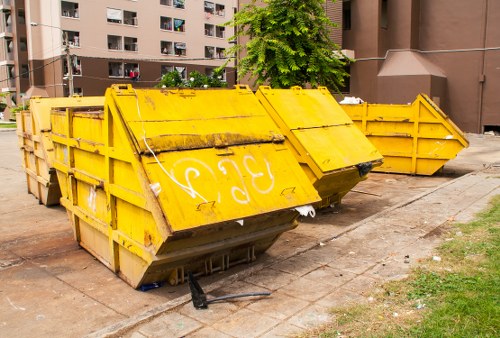
Business waste is not the same as household waste. Commercial premises produce different materials, in different volumes, and on different schedules. A dedicated service is designed to handle the realities of trading in London: peak-hour deliveries, access restrictions, busy pedestrian areas, and a need to keep customer-facing spaces clean and professional.
Many companies also need more than one waste stream collected. A restaurant may produce food waste, cardboard, glass, cooking-related packaging, and general rubbish. An office might need paper and confidential shredding arrangements alongside regular bin collections. A shop in a high-footfall area may generate a steady flow of packaging, hangers, display material, and stock waste. A flexible commercial waste collection plan helps keep all of that under control.
There is also the matter of compliance and duty of care. Businesses are expected to handle their waste responsibly and to use a service that can manage it properly. Working with a local provider gives you a practical route to regular removal and better control over how waste is stored, moved, and separated. It is not just about clearing rubbish; it is about supporting day-to-day operations in a city where space is limited and standards are high.
Commercial Waste Collection Services for Different Types of Premises

London is full of varied commercial properties, and each one creates different waste demands. A good provider should be able to support a wide mix of customers, from small independents to larger multi-site businesses.
Offices and co-working spaces
Office environments often need regular removal of paper, packaging, coffee cups, kitchen waste, and mixed recycling. Shared offices and co-working spaces may also need a more organised approach because many teams are using the same facilities. When waste is not collected frequently enough, communal bins can fill fast, creating hygiene concerns and a poor impression for staff and visitors.
Retail units and showrooms
Retail premises in places such as Soho, Kensington, Shoreditch, or Croydon town centre may produce a constant stream of packaging, damaged stock, display materials, and seasonal waste. Collections need to fit around opening hours, delivery schedules, and customer footfall. For showrooms, presentation matters, so keeping bins empty and back-of-house areas tidy is especially important.
Hospitality venues
Cafés, restaurants, pubs, hotels, takeaways, and event venues often need a reliable waste plan that handles food waste and general refuse in a way that suits busy service periods. Some sites have limited yard space or shared refuse areas, which means timing and access need careful consideration. A good service helps reduce disruption and keeps back-of-house operations manageable.
Trades, construction, and fit-out projects
Trade premises and project sites often require the removal of bulky waste, broken fittings, timber, plasterboard, packaging, and mixed debris. Access can be complicated in central areas or near controlled parking zones, so collection planning is important. Whether you are carrying out an office refit in the City or a shop fit-out in Fulham, a local team can help remove waste efficiently without holding up the job.
What Is Included in a Commercial Waste Collection Service?

Most customers want a service that is simple to understand and easy to manage. While exact arrangements depend on the site and the waste types involved, a commercial waste service usually includes a mix of scheduled collection, sorting support, and practical handling of the bins or containers used on-site.
In many cases, the service can include regular bin emptying, removal of bagged waste, recycling collections, and collection of specific streams such as cardboard or food waste. For larger sites, this might mean managing wheelie bins, front-end loading containers, or other storage solutions that fit the premises. For smaller businesses, it may be about getting the right bin size and collection frequency so waste never starts to overflow.
Some providers can also help customers assess how much waste they produce and how often collections are needed. That can be useful if you have recently moved into a new unit, expanded your team, changed opening hours, or started generating more packaging. Choosing the right setup from the start can make a noticeable difference to both convenience and cost control.
Typical parts of the service
- Scheduled business waste collections
- Recycling and mixed recycling removal
- Cardboard collection for retail and office premises
- Food waste collections for hospitality sites
- Collection of general commercial rubbish
- Support for larger, bulkier, or one-off commercial clearances
- Advice on container types and collection frequency
Not every business needs the same approach. A small studio in Hackney may need a compact, regular collection, while a warehouse unit in Park Royal or a multi-floor office near Canary Wharf may need something more structured. The key is to match the service to the site, not the other way around.
How Commercial Waste Collection in London Works

The process should be simple, especially for busy managers who do not have time to deal with unnecessary complications. The exact steps may vary slightly by provider, but a straightforward commercial waste arrangement usually follows a clear pattern.
Step 1: Discuss your site and waste types
You start by explaining what kind of business you run, what waste you produce, and how often it builds up. A single-site office, for example, may have very different needs from a restaurant group or a multi-tenant building. London location matters too, because access, timing, and storage space can all affect how collections are arranged.
Step 2: Choose a collection schedule
Depending on your output, you may need daily, weekly, fortnightly, or more tailored arrangements. Some businesses need more frequent visits at certain times of year, such as retail during the festive period, hospitality during events season, or offices after refurbishments and moves.
Step 3: Set up the right containers
Bins, sacks, and other containers should suit both the premises and the waste stream. If access is tight, it may be better to use smaller, more manageable units. Where space is available, larger containers can reduce the risk of overflow and make storage tidier. The right setup can also help staff sort waste more easily.
Step 4: Collection day and waste removal
On the arranged day, the waste is collected and removed from site. For London businesses, timing is often important. Early morning or off-peak collection may be preferable where roads are busy, parking is restricted, or the business is customer-facing throughout the day. A local team understands these practical pressures and can work with them.
Step 5: Review and adjust if needed
Business waste needs can change. If your volume rises or falls, your service should be able to change with it. Many customers benefit from a periodic review so the frequency, bin size, or waste types being collected remain appropriate. This helps avoid paying for more than you need while still keeping the site clean and compliant.
Why Choose a Local London Company?

Choosing a local team for commercial waste collection offers real advantages in a city as busy and varied as London. The benefits are not just about geography; they are about practical service delivery and understanding local conditions.
Better understanding of access and parking
London’s streets can be challenging for collections. Narrow one-way roads, controlled parking areas, loading restrictions, low-traffic neighbourhoods, market days, and busy commuter routes all affect how waste is removed. A local company is more likely to understand these issues and plan collections realistically.
Faster response when plans change
Businesses do not always run to a fixed script. An unexpected delivery, a last-minute event, a large stock arrival, or a seasonal spike can quickly change how much waste you produce. A local provider is often better placed to respond to these changes, especially where the service is built around London districts and their different commercial rhythms.
Suitable for mixed commercial and residential areas
Many London businesses sit inside neighbourhoods where residential and commercial properties are close together. That includes places like Bermondsey, Clapham, Angel, Walthamstow, and Wimbledon, where you may have flats above shops, offices near homes, or premises on streets with school runs and heavy foot traffic. Collections must be carried out with care and sensitivity to the local setting.
More practical support for different boroughs
Whether your business is in Westminster, Southwark, Tower Hamlets, Brent, Ealing, Lewisham, or across the wider Greater London area, practical knowledge matters. Each borough can have its own traffic patterns, access constraints, and commercial layout. A local service is more likely to understand those everyday details and adapt accordingly.
Areas Covered Across London
Commercial waste collection is needed across the whole capital, from central business districts to outer borough high streets and industrial estates. Customers often need a service that can handle multiple branches or changing operational footprints.
Common areas include Central London, the West End, the City, North London, South London, East London, and West London. That can cover business hubs such as Canary Wharf, Victoria, Holborn, Paddington, Whitechapel, Shepherd’s Bush, Stratford, Greenwich, Islington, Clapham, Hammersmith, and beyond.
It also includes many places where businesses operate from shared yards, converted buildings, office blocks, small retail parades, and mixed-use developments. If your premises have awkward access, limited bin store space, or shared service corridors, a local commercial waste company can help you work around those constraints rather than treating them as an afterthought.
What Affects Pricing for Commercial Waste Removal?
Customers often want to know what drives the cost before they make a decision. While exact prices depend on the service requested, several factors usually influence the quote.
Waste volume
The more waste you generate, the more storage and collection capacity you may need. Small offices and cafés may have relatively modest output, while restaurants, retailers, and trade sites can produce much higher volumes. Waste volume is one of the clearest factors in shaping the service.
Collection frequency
Daily, weekly, and fortnightly collections naturally involve different levels of resource and scheduling. A business that needs several collections each week will typically require a different setup from one that only needs occasional removal. The goal is to match frequency to actual waste output.
Waste type
General rubbish, cardboard, food waste, mixed recycling, glass, and bulky items may all require different handling. Some streams are easier to separate and store than others. If you are able to sort your waste more effectively on site, that may make the service smoother and more efficient.
Site access and location
Collection from a ground-floor unit with easy kerb access is not the same as removing waste from a basement, a mews property, a shopping arcade, or a building with restricted service access. London access can be a major factor, especially where waiting time, parking, or manual handling is involved.
Container choice and set-up
The type of bins or containers needed will influence the overall arrangement. Some businesses need compact solutions; others need larger on-site storage. A good provider will help you choose a set-up that is practical for your premises and makes waste management less of a burden.
For a tailored quote, it helps to have a clear idea of the waste streams you need collected, the approximate volume, and the location of your site. Request a free quote when you are ready to compare your options.
How to Prepare for a Smooth Collection
Good preparation saves time and reduces disruption. Even the best waste service works better when the site is organised and staff know what to do with each waste stream.
Preparation checklist
- Separate recyclable materials where possible.
- Break down cardboard boxes to save space.
- Keep waste stored in the agreed location.
- Make sure bins are accessible on collection day.
- Remove any items that should not be placed in general waste.
- Inform staff of the collection routine so bins are not blocked.
- Check whether there are any access changes, roadworks, or building works affecting the site.
For premises in busy parts of London, a little organisation goes a long way. If your building has shared storage, it can be helpful to mark bins clearly so different teams or tenants know what goes where. For customer-facing businesses, keeping waste away from front entrances and pedestrian routes also helps maintain a better impression.
Tip: if you are just starting a collection service, take a few weeks to track how quickly waste fills up. That makes it easier to adjust the frequency before problems start.
Recycling and Sustainability for London Businesses
Many businesses are looking for better ways to handle waste with less landfill and more recycling. Commercial waste collection can support that aim by making it easier to separate common materials and keep recyclable items out of the general rubbish stream.
Cardboard, paper, certain plastics, glass, and food waste are often collected separately depending on the site and the arrangement in place. Offices can benefit from clearer desk-side disposal habits, while retailers may be able to separate packaging at the back of house. Hospitality businesses may need a more structured approach for food-related waste to keep things hygienic and manageable.
There is also a practical benefit. When waste is sorted properly, bins are less likely to overflow and premises can stay tidier. That can improve safety for staff, reduce clutter in storage areas, and make daily operations easier. In busy London locations, where space is often at a premium, efficient separation is not just environmentally sensible; it is operationally smart.
Simple ways businesses can improve waste handling
- Place clearly labelled bins in key areas
- Train staff on what goes into each bin
- Flatten boxes immediately after deliveries
- Keep recycling streams separate from general waste
- Review waste levels after busy periods or seasonal changes
Small changes often make a big difference, especially in busy commercial environments where waste accumulates quickly and space is limited.
Common Customer Questions
Below are some of the questions businesses often ask before arranging collection. These answers are designed to help you decide whether the service fits your premises and your routine.
Do you collect from small businesses as well as larger sites?
Yes. Commercial waste collection can suit a wide range of business sizes, from independent shops and cafés to offices, warehouses, hospitality venues, and larger multi-site operations. The service should be scaled to the amount of waste you produce.
Can collections be arranged around opening hours?
In many cases, yes. London businesses often need collections early in the morning, after trading hours, or at times that avoid customer rush periods. The right arrangement depends on site access and operational needs.
What if my waste volume changes?
That is common. Businesses expand, contract, move premises, or experience seasonal demand. If your output changes, your collection frequency or container size may need to change as well.
Do you cover mixed commercial premises?
Yes, many London locations are mixed-use, with shops, offices, flats, and hospitality spaces in the same building or on the same street. A service can be arranged to suit the commercial element of the property while working around access constraints.
Can you help if access is tight?
Often, yes. Tight access is common in London, especially in central areas, mews streets, basements, and older properties. This should be discussed early so the collection method matches the site layout.
What should I do before the first collection?
Have a look at your waste stream, decide where bins will be stored, and make sure staff know which items go into which container. If there are any restrictions on access, loading, or collection times, it is best to mention them before the service begins.
Who This Service Is Ideal For
Commercial waste collection in London is suitable for many local businesses and organisations. If your premises create regular waste, and you need it removed without interrupting trading, this type of service can make everyday operations easier.
- Offices and professional practices
- Shops, boutiques, and retail chains
- Cafés, restaurants, pubs, bars, and takeaways
- Hotels, serviced apartments, and event venues
- Warehouses, workshops, and industrial units
- Schools, training centres, and community organisations
- Property managers and landlords with commercial units
- Fit-out teams and trades working on commercial refurbishments
For property managers and landlords, a reliable collection arrangement can help keep shared areas tidy and reduce complaints about overflowing bins or poor storage habits. For businesses that welcome the public, it also helps maintain a professional appearance and a safer environment.
Book your service now if you are ready to put a better waste routine in place for your London site.
FAQs About Commercial Waste Collection in London
How often should my business waste be collected?
That depends on how much waste you produce and how quickly it fills your storage area. Busy hospitality and retail sites may need frequent collections, while some offices or smaller units may need less frequent visits. The right schedule is the one that keeps your premises clear without creating unnecessary cost.
Can I combine recycling and general waste collections?
Yes, many businesses arrange more than one waste stream. In fact, separating recyclable materials often helps keep the site tidier and can make waste handling more organised overall.
What if my building has limited bin storage?
Limited storage is very common in London. Compact bins, more frequent collections, and a better sorting routine can all help. If storage is especially tight, the site layout should be discussed before the service starts.
Do you collect from central London locations with difficult access?
Many commercial premises in central areas have loading restrictions, narrow streets, or restricted service entrances. A local provider should be able to work with these realities and plan accordingly.
Is one-off commercial waste removal available?
Yes, some businesses need a one-off clearance after a refit, move, renovation, stock purge, or office rearrangement. Others need ongoing collections. The right option depends on your current situation.
Need help choosing the right setup?
Start with the type of waste, the amount you generate, and the space you have available. From there, it becomes easier to decide on frequency, container size, and collection times that work for your team.
Ready to Arrange Commercial Waste Collection?
Whether you are opening a new unit, reassessing your current waste arrangement, or looking for a more practical service for a busy London site, the next step is simple. A well-planned commercial waste collection service can reduce clutter, improve presentation, and help your business stay organised day after day.
If you manage a property in Central London, East London, North London, South London, West London, or anywhere across the wider city, it is worth speaking with a local team that understands commercial realities on the ground. Access issues, collection timing, and waste volume all matter, and the right provider will take those details seriously.
Contact us today to discuss your commercial waste requirements, compare service options, or request a free quote for your London premises. If you are ready to make waste handling simpler, book your service now and put a better routine in place for your business.