Office Clearances in London
If you are planning an office move, closing a workspace, or simply clearing out old furniture and equipment, Office Clearances in London can save you time, stress, and disruption. From compact studios in converted Victorian buildings to large corporate floors in Canary Wharf, London offices come with their own set of practical challenges. Tight stairwells, busy loading bays, controlled building access, lift bookings, and parking restrictions can quickly make a clearance feel far more complicated than it first appears.
That is why many local businesses, landlords, property managers, and home-working professionals choose a dedicated office clearance service. It is a straightforward way to remove desks, chairs, filing cabinets, IT equipment, archive boxes, and general waste while keeping the process organised and efficient. Whether you are clearing a single room in Shoreditch, a shared office in Southwark, or a multi-floor premises in the City, the right team can help you get the space ready for its next use without unnecessary disruption.
Our approach is practical, flexible, and built around the realities of London properties. We understand that every site is different: some need early morning clearances before staff arrive, some require weekend work, and others need a careful phased clearance to avoid affecting trading or building access. If you need an office removal service that works around your schedule, request a free quote and take the first step towards a tidy, usable space.
Why office clearances matter for London businesses

Clearing an office is rarely just about removing old furniture. In London, it often forms part of a wider change: a lease end, a move to hybrid working, a refurbishment, or a business closure. Offices that have been occupied for years can accumulate broken chairs, unused desks, surplus monitors, outdated printers, forgotten stationery, archived files, and bulky cabinets that no longer serve a purpose. Left in place, this clutter can take up valuable floor space and make the room harder to clean, repurpose, or hand back to a landlord.
A professional clearance service helps you deal with that workload in a structured way. Instead of asking your staff to spend their time lifting heavy items or sorting through years of accumulated material, you can bring in a local team to handle the removal safely and efficiently. This is especially useful in London where access issues are common and time is often limited. Offices in older buildings, upper floors, shared entrances, and conservation areas can all create obstacles that are much easier to manage with experience on your side.
For businesses in a fast-moving city like London, time is valuable. A well-planned office clearance can reduce downtime, help you prepare a property for inspection, and make the transition to a new setup much smoother. If you are changing premises, consolidating space, or clearing after staff relocation, it is worth choosing a service that understands local buildings and local pressures.
What our office clearance service can include

Office clearance needs vary widely from one customer to another, so the service should be adaptable. Some clients need a full clearance of an empty office, while others need selected items removed from a working environment. A proper office removal and clearance service can usually cover a wide range of items, making it easier for you to deal with the space in one coordinated visit.
Typical items removed during office clearances include:
- Desks, chairs, meeting tables, and reception furniture
- Filing cabinets, cupboards, shelving, and storage units
- Computer equipment, monitors, keyboards, and peripherals
- Printers, scanners, and office machines
- Archive boxes, paper waste, and general office clutter
- Kitchenette items, small appliances, and breakroom furniture
- Partition panels, shelving systems, and fitted office furniture where agreed
- Miscellaneous items from storage rooms, basements, and back offices
Many London customers also need support with careful sorting. You may want certain files retained, confidential material separated, and reusable items moved aside for donation, relocation, or storage. That is why a good office clearance company should be able to work methodically rather than simply removing everything in one rush. Clear communication before the job begins makes the process smoother and helps prevent anything important from being taken by mistake.
How office clearances work in London

The process is usually straightforward, but it helps to know what to expect. Most office clearance jobs begin with an assessment of the property, either in person or based on a detailed description of what needs removing. For London properties, it is especially useful to discuss access arrangements early on. This may include lift size, stair access, loading restrictions, parking permissions, concierge requirements, and any building rules that affect when work can take place.
Once the scope is clear, the clearance can be scheduled to suit your business. Many office clients prefer work outside office hours, at weekends, or in smaller phases to reduce disruption. If you are in a busy part of Central London, a carefully timed arrival can make a big difference. In locations such as Westminster, Holborn, Aldgate, or Paddington, traffic and loading conditions can be as important as the volume of items being removed.
On the day, the team will typically arrive ready to assess access, protect nearby areas where necessary, and begin removal in an organised order. Items are loaded safely, separated where appropriate, and taken away for sorting. If your job includes a complete office clearance, the aim is usually to leave the space clear and ready for the next stage, whether that is cleaning, refurbishment, end-of-lease inspection, or a handover to the landlord.
Why choose a local London team
Choosing a local company for Office Clearances in London brings real practical advantages. A team that works in the city regularly is more likely to understand local building types, parking controls, and access limitations. That matters because a clearance is rarely just physical labour; it is also about planning, timing, and adapting to the realities of the site. A local crew is often better placed to handle short notice changes, busy roads, and complex access in a way that keeps the work moving.
London office buildings can be very different from one another. A glass-fronted space in Canary Wharf may have loading bay procedures and security checks, while a converted terrace in Bloomsbury may involve narrow stairs and limited stopping space. A warehouse-style office in East London may have easier access but more bulky items to move. By working with a local service, you benefit from people who already know how to approach these situations without wasting time.
Local knowledge is also helpful when it comes to coordinating with property managers, building reception teams, and nearby transport conditions. This can make the entire service feel more organised and less stressful. For companies that want a practical solution rather than a disruptive one, working with a nearby team is often the easiest choice.
Benefits that matter to real customers
- More efficient planning for London traffic and access restrictions
- Better understanding of office buildings, estates, and shared entrances
- Flexible scheduling to reduce impact on staff and tenants
- Safer handling of heavy or awkward office items
- Less stress when dealing with tight deadlines or lease-end requirements
Office clearance for different types of clients

Office clearance is not just for large corporations. In London, the service is used by a wide range of customers with very different needs. A small creative studio in Camden may only need a few desks and shelves removed. A law firm in the City might need archive storage cleared with care. A landlord in Southwark may need a vacant suite stripped out after tenants leave. A managing agent in Canary Wharf may need help restoring a floor to a presentable empty condition between occupiers. The same service can be adapted to each situation.
Residential and commercial customers may also use office clearances in different ways. Some people work from home and need to clear a dedicated office room after a move or refurbishment. Others manage co-working spaces, serviced offices, or shared business premises and need a reliable clearance partner who can work around other users of the building. In every case, the focus should be on efficient removal, sensible sorting, and minimal disruption.
For commercial customers, there is often a strong emphasis on deadlines. Lease end dates, handover inspections, and renovation schedules can all affect when the space must be cleared. For residential customers clearing a home office, the priority may be reclaiming the room quickly and making space for family use, storage, or renovation. A good local clearance service should be able to respond to both kinds of need with the same level of care.
Common office clearance scenarios
- End-of-tenancy or end-of-lease clearance
- Office relocation and downsizing
- Refurbishment or fit-out preparation
- Clearing after business closure or restructuring
- Removal of surplus furniture and equipment
- Storage room, archive room, or basement clear-outs
Access, parking, and building challenges across London
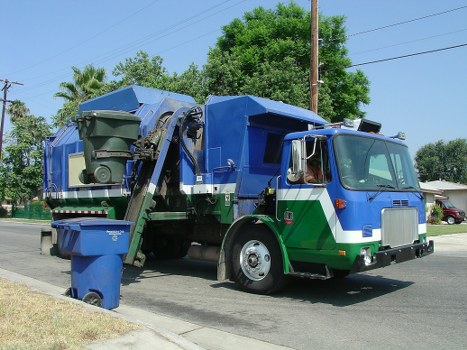
One of the biggest reasons customers choose professional office clearance in London is simple: access can be difficult. Even when the office itself is easy to clear, getting items in and out of the building can be the hardest part. Central London locations often have limited stopping space, controlled loading bays, congestion pressures, and strict building rules. Outer boroughs may offer easier parking, but access can still be challenging in busy high streets, estates, or mixed-use developments.
In older buildings, staircases can be narrow and lifts may be too small for large items. In modern office blocks, there may be specific time windows for deliveries and collections, plus requirements to book the lift or notify security. Many London roads also have restrictions that affect where a vehicle can stop and how long it can remain there. A team that is used to working in the city will usually plan for these issues in advance rather than treating them as surprises on the day.
This is where experience really counts. If a clearance is rushed or poorly planned, it can lead to avoidable delays and disruption. By contrast, a local team that understands the practical side of London access is more likely to keep the job moving. That can make a major difference if you are working to a deadline or need the premises returned in a specific condition. Book your service now if you want the job handled with minimum fuss.
What happens to the items after clearance?
Many customers want to know what happens after their office items are collected. This is a sensible question, especially if the clearance includes mixed materials, reusable furniture, or business paperwork. The right service should handle items responsibly and sort them in a practical way. Not everything needs to be treated the same, and a thoughtful clearance process can help separate items that can be reused, recycled, or disposed of appropriately.
Some office furniture may still be in usable condition and can be set aside for reuse where suitable. Certain materials may be sorted for recycling depending on their type and condition. Confidential documents and sensitive materials should be handled with care according to the client’s instructions. Equipment such as computers, printers, and screens may need particular attention because of their contents and components. A professional team should be able to explain how different categories are managed before the job starts.
For many London businesses, responsibility is important as well as convenience. Clearing out an office is easier when you know the items are being dealt with in an organised and sensible way. If you have specific concerns about office files, electronics, or mixed waste, mention them during the quotation stage so the service can be planned properly from the outset.
Items that need special attention
- Confidential paperwork and archived files
- IT equipment containing data or storage devices
- Large or dismantled furniture requiring careful lifting
- Mixed materials that may need sorting before removal
- Items stored in basements, lofts, or difficult access areas
Preparing your office for clearance
Good preparation can make the job quicker and reduce the chance of confusion. You do not need to move everything yourself, but a little organisation before the team arrives can help the process go more smoothly. This is especially useful if the office is still partly in use or if you need certain items left behind.
Preparation checklist:
- Decide which items should be removed and which should stay
- Set aside documents, personal items, and anything confidential
- Inform building management about access arrangements if needed
- Reserve lifts, loading bays, or parking spaces where possible
- Tell staff about the clearance schedule so work areas are ready
- Label items that need to be kept, relocated, or handled separately
- Make sure the route to the exit is clear where practical
If you are managing a larger office or multiple rooms, it can help to create a simple room-by-room plan. This allows the clearance team to work through the property in a logical order and avoids confusion over what should be taken. For multi-tenant buildings, it is also useful to confirm any access windows in advance so the work can fit around reception hours and building rules.
Pricing factors for office clearance in London
Customers often ask what affects the cost of an office clearance. While exact prices depend on the details of each job, there are some common factors that usually shape the quotation. Understanding these can help you plan more effectively and compare services with confidence.
Typical pricing factors include:
- The volume and type of items to be removed
- How easy or difficult the building is to access
- Whether the office is on a ground floor or upper floor
- If stairs, lifts, or long carrying distances are involved
- Whether the job needs to be completed outside normal hours
- If special handling is needed for archive material or electronics
- Any requirement for phased clearance or multiple visits
In London, access and parking can have a real effect on the time needed to complete a job, so it is important to share accurate details when asking for a quote. If the clearance is in a busy area such as Clerkenwell, Victoria, or Liverpool Street, the practical setup may be very different from an office in a quieter part of the outer boroughs. The more information you provide upfront, the easier it is to plan the work correctly.
Request a free quote when you are ready to discuss the scope of your office clearance. A clear description of the items, the floor level, and the access arrangements will help the team give you a more accurate response.
Office clearance services for different London areas
London is a large and varied city, and office buildings differ greatly from one district to another. That is why local coverage matters. A service that works across the capital should be ready for the demands of Central London, the riverside districts, the business quarters, and the mixed commercial areas in North, South, East, and West London.
Areas commonly covered include:
- Central London areas such as Westminster, the City, Holborn, and Covent Garden
- East London locations including Shoreditch, Aldgate, Whitechapel, Stratford, and Canary Wharf
- South London areas such as Southwark, London Bridge, Waterloo, Lambeth, and Greenwich
- North London districts including Camden, Islington, Finsbury Park, and Tottenham
- West London areas including Paddington, Kensington, Hammersmith, and Chiswick
- Outer London business locations and industrial office units across the boroughs
Whether your premises are in a high-rise tower, a serviced office, a shared workspace, or a converted house used as an office, the same principle applies: the clearance must be planned around the property rather than forcing a one-size-fits-all approach. That is especially important in London, where a short distance can mean a very different building layout, traffic pattern, or access rule.
Why businesses book office clearance instead of doing it themselves
Some smaller clear-outs can be handled in-house, but many London customers decide that a professional office clearance is the more practical choice. That is often because the job involves heavy lifting, time pressure, or a large volume of mixed items. It may also be because staff should be focused on day-to-day work rather than moving furniture, carrying boxes, or figuring out disposal arrangements.
Key reasons customers choose a professional service:
- It saves time and reduces disruption to the working day
- It helps avoid injury from moving heavy office furniture
- It reduces the burden on staff during a move or closure
- It is easier to manage access, loading, and transport properly
- It helps keep the process organised when deadlines are tight
- It provides a straightforward way to clear bulky or awkward items
For property managers and business owners, the value is often in the simplicity. Instead of coordinating multiple people, vehicles, and disposal trips, you can hand the clearance to a team that knows how to complete the work efficiently. That can be particularly useful when a space must be emptied before cleaning, refurbishment, or inspection.
Frequently asked questions
Do I need to empty the office before the team arrives?
Not usually. You only need to separate any items you want to keep, plus anything confidential or personal. The clearance team can then handle the rest according to the agreed plan.
Can office clearances be done outside normal hours?
Yes, many London customers prefer early morning, evening, or weekend work to reduce disruption. This can be especially helpful in busy offices or shared buildings.
What if the office is on an upper floor with no lift?
That is common in London, particularly in older buildings. The clearance can still be arranged, but it is important to mention stairs and floor level when requesting a quote so the job can be planned properly.
Can you handle mixed office furniture and electronics?
Yes, office furniture and equipment are usually part of the clearance. It helps to list any bulky items, IT equipment, or special items in advance so the team can prepare accordingly.
What happens if the building has strict access rules?
That is not unusual in London. If the property needs lift bookings, security check-ins, loading bay permissions, or timed access, these details should be shared early so the clearance can be scheduled around them.
Is office clearance suitable for small businesses?
Absolutely. Small businesses often find it especially useful when they are downsizing, moving out of a serviced office, or clearing a room used for admin, storage, or remote working.
Book a local office clearance service
If you need Office Clearances in London, the easiest way to get started is to share the details of the premises, the items to be removed, and the access conditions. A local service can then give you a practical response based on your actual requirements, not a generic one. Whether you are clearing a small office suite, a floor of desks, or an entire workplace, the aim is to make the process simple, organised, and well timed.
From Central London offices with tight loading arrangements to larger premises in the outer boroughs, the right team can help you deal with the job efficiently and with less disruption to your schedule. If you are preparing for a move, closing a space, or making room for a refurbishment, contact us today to discuss your office clearance and take the next step with confidence.
Request a free quote or book your service now to arrange a clearance that fits your property, timeline, and access needs.