Bulky Waste Collection in London
If you need bulky waste collection in London, you are probably dealing with items that are too large, too awkward, or too time-consuming to move on your own. Whether it is an old sofa that will not fit through a tight hallway, a broken wardrobe left in a top-floor flat, or office furniture that needs clearing before a refit, a reliable local service can save you a lot of stress. London homes and businesses often face access challenges, limited parking, narrow stairwells, and time restrictions, so having a team that understands local conditions makes a real difference.
Our bulky waste removal service is designed for London customers who want a fast, practical, and tidy solution. From single-item collection to larger clearances, the aim is simple: remove unwanted bulky items safely, quickly, and with as little disruption as possible. If you are planning a house move, refreshing a rental property, clearing out a loft, or emptying a commercial space, this service gives you a straightforward way to reclaim space. Request a free quote or book your service now when you are ready.
London is a city of contrasts. You may be in a Victorian terrace in Islington, a new-build apartment in Stratford, a mews house in Kensington, or a mixed-use premises in Southwark. Each property type brings different challenges, from basement access and communal staircases to loading bays and permit-controlled streets. A local collection team is used to working around these practical realities, helping customers get bulky items removed without unnecessary hassle.
What bulky waste collection covers
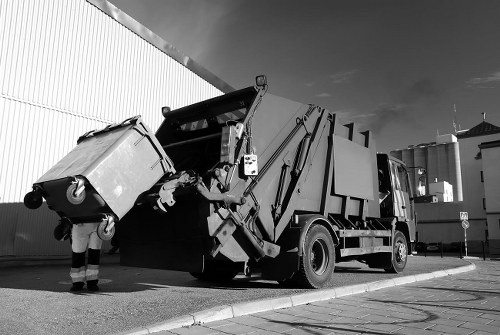
Bulky waste collection in London covers large household and business items that are inconvenient, difficult, or unsafe to dispose of using normal rubbish collection. This is especially useful when the item is too big for standard bins or when it is not practical to transport it yourself. The service is often chosen by homeowners, tenants, landlords, letting agents, offices, shops, and tradespeople who need clear space quickly.
Typical items collected may include sofas, armchairs, mattresses, beds, wardrobes, tables, chairs, cabinets, shelving, desks, filing units, white goods, exercise equipment, and garden furniture. It can also be useful for broken or unwanted items from a recent clear-out, end-of-tenancy turnaround, or refurbishment project. In many cases, customers prefer a collection because it avoids the difficulty of hiring a van, arranging labour, or finding a way to lift heavy items down stairs.
For local customers, the biggest advantage is convenience. Instead of worrying about multiple trips to a disposal site, you can arrange a collection time that suits your schedule. This is particularly helpful in London, where traffic, parking charges, loading restrictions, and busy weekday routines can make self-disposal more complicated than it first appears.
Why London customers choose a local bulky waste service
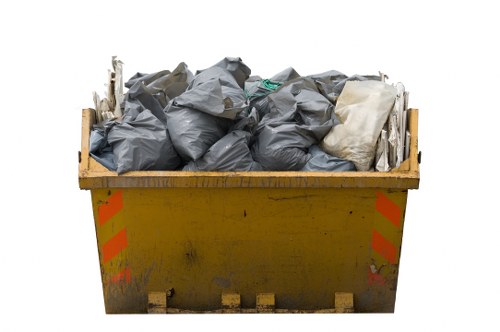
Choosing a local team for bulky waste collection London means working with people who understand how the city operates. A collection crew that regularly works across boroughs is more likely to anticipate issues such as controlled parking zones, low-emission requirements, access codes for apartment blocks, and narrow streets where a large vehicle must be positioned carefully. That kind of local experience can save time and reduce disruption.
Another reason customers choose a local service is flexibility. London properties often do not have much outdoor space, and items may need to be removed from the kitchen, loft, shed, basement, or upper floors before collection can even begin. A local team is usually better prepared for awkward access, rush-hour timing, and last-minute changes that can arise in dense urban areas. Practical experience matters when every minute and every metre of access counts.
There is also a peace-of-mind factor. Many customers simply want the job done properly the first time. They want clear communication, careful handling of property, and an efficient process that does not leave them with mess or half-finished work. A good local bulky item collection service should remove the stress from the job, not add to it.
Who this service is for

This service is suitable for a wide range of London customers. If you are clearing one bulky item or a full room, a collection can be arranged to fit the scale of the job. The service is often used by:
- Homeowners replacing old furniture or appliances
- Tenants moving out and leaving behind large unwanted items
- Landlords and letting agents preparing properties for new occupants
- Estate managers dealing with communal area clear-outs
- Offices removing desks, chairs, shelving, and storage units
- Shops and hospitality venues updating interior fixtures
- Tradespeople clearing renovation debris and oversized waste
- Families doing a seasonal or post-renovation clear-out
In London, property use changes frequently. A flat may go from long-term rental to short-term let, an office may be reconfigured for hybrid working, or a retail unit may need an urgent fit-out clearance. Bulky waste removal fits neatly into these situations because it gives you a predictable way to make space without having to organise transport and labour separately.
Local relevance matters here too. A team that works across London is more likely to understand the realities of shared entrances, lift bookings, concierge systems, and building rules that can affect collection day. That can be the difference between a smooth removal and a stressful delay.
What is included in the collection service

A proper bulky waste collection service should be more than just loading items into a vehicle. Customers usually want a complete, tidy, and practical experience. While the exact scope may vary depending on the job, a typical service can include the following:
- Collection of large or heavy unwanted items from inside or outside the property
- Careful handling through hallways, staircases, and communal areas
- Loading and removal by trained operatives
- Transport of the bulky waste for appropriate disposal or processing
- Basic clean-up of the area once items have been taken away
- Flexible collection for homes, offices, and commercial sites
Some jobs are straightforward, such as removing a single sofa from a ground-floor living room. Others require more planning, especially if the item is heavy, awkward, or located in a difficult-to-access part of the building. In London, this could mean carrying items down narrow stairs, navigating basement steps, or working around loading windows. The value of a service like this is not just in transport; it is in the labour, handling, and coordination that come with it.
Important: if you are unsure whether a particular item can be collected, it is better to ask in advance rather than assume. Some items may require special handling because of weight, size, or material type. A local team can advise on what is possible and what preparation is needed before the appointment.
How the service works

The process for bulky waste collection in London should be simple and customer-friendly. Most people want a clear plan that does not take up too much of their day. A straightforward service usually works in the following way:
- Make an enquiry and describe the items you need removed.
- Receive a quote based on item type, quantity, access, and collection location.
- Book a time that works for your schedule.
- Prepare the items by gathering them in a suitable place if possible.
- Collection takes place and the team loads the items safely.
- The area is left tidy once the bulky waste has been removed.
In London, timing can matter a great deal. Some customers need an early morning collection before work, while others need a slot around building access hours or a move-out deadline. A well-organised team should be able to work around these needs where possible. That is especially helpful for flats with concierge restrictions or commercial properties that can only allow collection at certain times.
If you are arranging a larger clear-out, it is sensible to give a bit of detail up front. Mention whether there are stairs, lifts, permit restrictions, heavy items, or multiple rooms involved. That helps the team plan properly and avoid surprises on the day. Request a free quote when you are ready to discuss your collection.
Common bulky items collected across London
London customers often contact a bulky waste removal team when they have a mixture of large items that are difficult to deal with alone. Some of the most common examples include:
- Old mattresses and bed frames
- Broken sofas and sofa beds
- Wardrobes, chests of drawers, and bedside cabinets
- Dining sets, coffee tables, and shelving units
- Desks, office chairs, and storage cupboards
- Fridges, freezers, washing machines, and other white goods
- Garden benches, patio furniture, and plant containers
- Carpets, underlay, and other large items from refits
Many customers also have mixed loads after a clear-out. For example, a rental property in Clapham might need a bed, a mattress, a wardrobe, and several smaller bulky items taken away in one visit. A restaurant in Shoreditch could need seating and worn furniture removed before refurbishing. An office in Canary Wharf may need desks, filing cabinets, and partition elements cleared. A local collection service is useful because it can adapt to these mixed and changing requirements.
Not every item is the same, and that matters when planning the collection. The more specific you are about the items, the easier it is to arrange the right vehicle, labour, and timing. If you have a load that includes oversized or unusually heavy pieces, mention that too so the collection can be planned safely and efficiently.
London property types and access challenges
London is known for property variety, and that variety affects bulky waste collection. A service that works well in one part of the city may need to be adapted in another. In older terraces, access may involve multiple internal doors, narrow passageways, or steep stairs. In mansion blocks or apartment complexes, there may be lift restrictions, limited loading space, or requirements to protect communal areas. In mews properties and converted houses, access routes can be compact and uneven.
Parking is another major factor. In many boroughs, it is not as simple as stopping outside the front door. There may be controlled parking zones, timed restrictions, shared bays, or the need to manage loading carefully during busy periods. Local crews understand these issues and can often plan collections in a way that reduces delays. This is one of the strongest reasons to choose a team experienced in London bulky waste collection rather than a generic moving service that may not know the area well.
There are also practical issues inside the property. Basement flats may require carrying items up long flights of stairs. Upper-floor apartments may have lifts too small for very large objects. Office buildings may require security check-in, concierge coordination, or advance booking for goods lifts. A capable local service should be prepared for these realities and factor them into the quote and collection plan.
Residential customers: what usually matters most
For residential customers, convenience, speed, and care are usually the top priorities. People want their furniture or bulky junk removed without damaging walls, banisters, or flooring. They also want minimal disruption to family life, neighbours, and building routines. Whether you are clearing a flat in Camden, a townhouse in Fulham, or a maisonette in Lewisham, the service should be handled respectfully and efficiently.
Many homeowners and tenants also need collections at specific times around work, children, or move dates. If you are moving out of a property, the last thing you need is a collection that runs late or causes access problems. That is why a well-organised local crew is so useful: they can work with the constraints of the property instead of expecting the property to suit them.
Commercial customers: different needs, same need for efficiency
Commercial customers often need bulky waste removed quickly because space directly affects trading or productivity. Offices may need to clear old desks and chairs before a new layout is installed. Retail stores may need old displays, fixtures, or stockroom items removed. Cafés, restaurants, and hospitality venues may need back-of-house storage units, seating, or kitchen-related bulky items taken away as part of a refresh.
Commercial clients in London also appreciate a service that respects building rules and time windows. Some premises only allow collections before opening hours, after closing time, or during specific delivery slots. A local team experienced in this environment can often make the process smoother and less disruptive.
Pricing factors for bulky waste collection
Customers often want to know what affects the cost of bulky waste collection. While exact pricing depends on the specifics of the job, several common factors usually matter. These include the volume of items, the number of staff needed, the weight of the load, and how easy it is to access the waste. Distance and disposal requirements may also affect the final quote.
In London, access and parking can have a major impact on the effort involved. A collection from a ground-floor property with direct roadside access is different from a job in a fifth-floor flat with no lift and limited parking. Similarly, a single sofa collection is very different from a multi-room office clearance. When you request a quote, it helps to be accurate about the number, size, and location of the items so the estimate reflects the real work required.
It is also useful to think about preparation. If items are ready near the entrance, the collection can often be completed more efficiently. If the team needs to move items from several floors or disassemble large furniture, more labour may be needed. Honest details from the start help keep the process straightforward. Ask for a free quote and provide as much information as you can.
Factors that can affect the job
- How many items need removing
- Whether items are bulky, heavy, or awkward to carry
- Distance from the item to the vehicle
- Number of stairs, lifts, or access obstacles
- Parking restrictions or loading limitations
- Time-sensitive collection windows
- Any special handling needs for the items involved
How to prepare for your collection
A little preparation can make a bulky waste collection easier and quicker. You do not need to do all the heavy lifting yourself, but there are a few simple steps that can help the visit run smoothly. This is especially useful in London, where access can be tight and time is often limited.
- Identify all items clearly so nothing is missed on collection day.
- Check access routes and make sure doors, hallways, or gates can be used safely.
- Move smaller items away from around the bulky waste if possible.
- Reserve parking or loading space if your building allows it.
- Tell the team about stairs or lifts in advance.
- Separate items that are not to be taken so there is no confusion.
If you live in a block of flats, let the collection provider know about any entry instructions, lift booking requirements, or concierge procedures. If you are clearing an office or shop, advise on security access, service entrances, and any time limits on vehicle loading. A small amount of planning makes the collection more efficient and helps avoid unnecessary delays.
Tip: If an item can be safely disassembled without difficulty, that can sometimes make the job easier, especially for large wardrobes, bed frames, or office tables. However, only do this if it is practical and safe to do so. The collection team can usually advise if you are unsure.
Why a professional collection is often better than doing it yourself
Some people initially consider hiring a van and handling the bulky waste themselves. While that may work in some cases, it can quickly become more complicated than expected in London. You may need to load heavy objects, navigate restricted roads, manage parking costs, and find a proper disposal point. If the item is difficult to carry or the property access is awkward, the job can turn into a major undertaking.
A professional service saves time and reduces physical strain. It also lowers the risk of damage to your property, injury during lifting, or problems caused by inappropriate disposal. For customers with busy schedules, children, or mobility concerns, this convenience can be especially valuable. When the items are large and the access is tight, having the right team matters.
Another benefit is predictability. You can arrange the collection, prepare accordingly, and know that the task is being handled by people who do this type of work regularly. That reliability is one of the main reasons why many London residents and businesses choose a local bulky waste removal service instead of attempting the job alone.
Areas covered across London
A local bulky waste collection service should be able to support customers across a wide area of the capital. That includes inner and outer boroughs, residential neighbourhoods, commercial districts, and mixed-use areas. Common service locations may include central, north, south, east, and west London, as well as surrounding parts of the city where access and vehicle routing are manageable.
Examples of the kinds of areas where bulky item removal is often requested include Camden, Islington, Hackney, Tower Hamlets, Greenwich, Lambeth, Southwark, Wandsworth, Hammersmith, Ealing, Brent, Barnet, Haringey, Lewisham, Croydon, Richmond, and Kensington and Chelsea. Customers in areas with terraced houses, mansion blocks, high-rise apartments, business parks, and retail parades all benefit from a collection team that understands local access needs.
If you are not sure whether your area is covered, it is worth making an enquiry. London is a large city, and local knowledge helps with route planning, parking considerations, and timing. The most useful service is one that can adapt to the practical realities of your borough and property type.
What to expect on collection day
On the day of your appointment, the collection team should arrive ready to assess the items and get started. In many cases, the process is simple: confirm the items, access the property or collection point, and remove the bulky waste efficiently. If access is slightly more complicated than expected, a good local team will work through it calmly and professionally.
Customers often appreciate a tidy and respectful approach. That means careful movement through shared areas, sensible handling of doors and walls, and attention to the space once the items have been taken away. The aim is to leave you with a clear, usable area, not extra clean-up work. If the bulky waste is part of a larger house clearance or office clearance, the team can often discuss what else may be removable during the same visit.
After the job is finished, you should be able to get on with using the space again. That might mean setting up a new sofa, preparing for a tenant move-in, opening a room up for storage, or making way for refurbishment. For many customers, the real value of bulky waste collection is not only removal itself, but the immediate improvement in space and convenience.
Frequently asked questions
Can you collect just one item?
Yes, single-item collections are very common. If you only have one sofa, mattress, wardrobe, or appliance to remove, it can still be worth arranging a collection. Many London customers use the service for one awkward item that is too heavy or too large to handle alone.
Do I need to move the item outside first?
Not necessarily. In many cases, items can be collected from inside the property, which is particularly helpful if you live in a flat, have stairs, or cannot move the item yourself. Let the team know about access so they can plan appropriately.
Can you help with office and commercial bulky waste?
Yes. Offices, shops, hospitality venues, and other businesses often need large items removed during refurbishments, relocations, or clear-outs. A commercial collection can be arranged to suit access times and operational needs where possible.
What if my building has parking restrictions?
That is common in London. It helps to mention any loading rules, permits, or access limitations when you enquire. The team can then plan the collection with those conditions in mind.
How do I know if my item counts as bulky waste?
If the item is large, heavy, difficult to carry, or unsuitable for standard bins, it will usually be treated as bulky waste. If you are unsure, describe the item and its size when requesting a quote.
Can you remove multiple items in one visit?
Yes, collections often involve several items at once. This is a popular option for household clear-outs, end-of-tenancy jobs, and office refreshes. The more accurate the description, the easier it is to plan the job.
Book your bulky waste collection in London
If you need space back quickly and want the job handled by a local team that understands London property access, traffic, and parking realities, a professional bulky waste collection service is the practical choice. Whether it is one item or several, residential or commercial, the process should be straightforward from enquiry to removal.
Contact us today to discuss your items, check availability, and request a free quote. If you are ready to move forward, book your service now and let a local London team take care of the heavy lifting for you. From flats and family homes to offices and retail units, the right collection service makes bulky waste disposal much easier.
Ready to clear your space? Request a free quote and arrange your bulky waste collection in London with a service built around local needs, practical access, and a smooth customer experience.