Council Large Item Collection in London
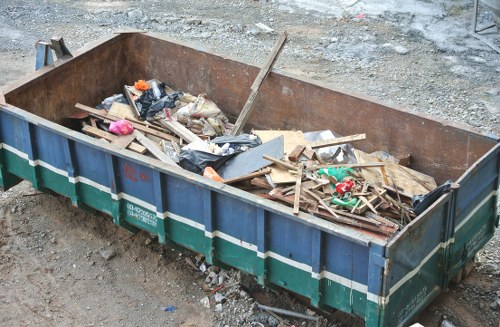
If you need council large item collection in London, you are probably dealing with bulky furniture, an old mattress, a broken appliance, or a mix of household items that simply will not fit in your bin. In a city like London, where homes are often compact, stair access can be tight, and parking is limited, getting rid of large waste can quickly become more complicated than expected.
Many local residents start with their borough’s bulky waste service, while others need a quicker or more flexible option because the council collection date does not suit their schedule, the item is too awkward to move, or the volume is too large for a standard booking. This page is designed to help London customers understand how the service works, what can be collected, what to prepare, and when a private collection service may be the more practical choice.
Whether you live in a flat in Islington, a terraced house in Wandsworth, a mansion block in Kensington, or a family home in outer boroughs such as Ealing or Bromley, large item disposal can be a real job. Planning ahead can save time, reduce stress, and help you choose the right collection option for your property and your timeline.
What council large item collection means
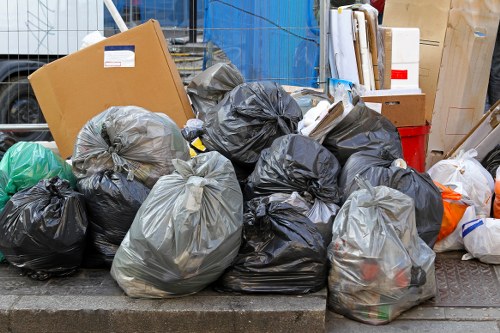
Council large item collection is the removal of bulky household waste that is too large for normal refuse bins or bags. In London, this usually includes items that residents place out for a scheduled borough collection, often at the kerbside, communal waste point, or another agreed area depending on local rules.
These collections are commonly used for everyday household clear-outs, replacements after a move, and end-of-life items that can no longer be reused. The exact rules vary by borough, but the service is generally aimed at domestic customers rather than commercial premises. Some councils offer booked collections with set item categories, while others allow more flexible bulky waste appointments.
For many households, the appeal is simple: it provides an organised way to remove big items without arranging a skip or hiring a van. However, because London properties and streets vary so much, the service can work very differently in practice from one area to another. That is why knowing the local process matters.
Typical items included in a bulky collection

Most council large item collection services in London cover standard household bulky waste. This usually includes items that are heavy, awkward, or impossible to put out with regular rubbish. Common examples include sofas, armchairs, beds, mattresses, wardrobes, tables, chairs, chest of drawers, and white goods such as fridges, freezers, washing machines, and cookers.
Many customers also book collections for smaller mixed bulky items after a clear-out, such as carpets cut into manageable sections, broken shelving, garden furniture, or disused toys and storage units. Some boroughs allow a limited number of items per booking, while others group bulky waste by item type or size. It is always worth checking what your local service accepts before you arrange removal.
Special care is often needed for electrical items, especially fridges, freezers, and appliances with wiring or refrigerant gases. These may need to be handled separately and placed in the correct position for collection. If you are unsure whether an item qualifies, it helps to prepare a list of what needs to go so you can confirm the service in advance.
Why Londoners use bulky waste collection services

London homes come in many forms, and each creates different collection challenges. In a top-floor flat near Clapham Junction, carrying a bed frame down narrow stairwells may not be realistic. In a Victorian terrace in Hackney, access through a small front garden and shared pathway might make moving a sofa difficult. In a modern apartment building in Canary Wharf or Stratford, you may need lift access, loading bay arrangements, and building management approval before anything can be removed.
That is why many residents look for a council large item collection in London as a straightforward way to dispose of bulky items. The service is especially useful after tenancy changes, family moves, renovation work, downsizing, bereavement clearances, and seasonal furniture replacement. It is also helpful for landlords, letting agents, and property managers who need a neat, lawful way to remove left-behind items.
For some customers, a council booking is enough. For others, the timing, access restrictions, or item volume means a local collection team is the better fit. The right service should save you effort rather than create more of it.
How the service usually works in London

Although each borough has its own rules, the process usually follows a similar pattern. First, you identify the items you want removed and check whether your borough accepts them. Next, you book a collection date, choose a place for the items to be left, and make sure the waste is accessible on the agreed day. Some councils collect from the pavement or from a designated communal area, while others ask residents to bring items to the building entrance or ground-floor point.
On collection day, items should usually be ready in advance and separated from anything you want to keep. If the waste contains multiple parts, such as a dismantled wardrobe or bed, it may need to be placed together and clearly arranged. In some areas, crews will only take items that are safe to lift and can be collected without entering the property. Always follow local instructions carefully to avoid missed collections.
If your property has difficult access, limited parking, a controlled parking zone, or a narrow street where a vehicle may struggle to stop safely, it can make sense to arrange a collection service that is familiar with working across London. That local knowledge can be especially valuable in busy parts of Westminster, Camden, Southwark, Tower Hamlets, and Hammersmith & Fulham.
What is usually included in a local large item collection service
When customers book a large item removal service, they usually want more than just a vehicle arriving on the day. A reliable local collection service should be clear about what happens before, during, and after the removal so you can plan confidently. Good service is about convenience, care, and timing.
Depending on the service provider, what is included may cover item lifting, loading, transport, and responsible disposal through the appropriate waste channels. Some services can also help with heavier or more awkward items, dismantling where needed, and the removal of multiple bulky pieces in one visit. For commercial customers, it may also include office furniture clearance, filing cabinets, chairs, shelving, and other non-domestic bulky waste, subject to the type of service offered.
Before you book, it is sensible to confirm exactly what is included so there are no surprises. Ask whether the team will move items from a flat, a basement, a rear garden, or a communal bin area, and whether extra help is needed for stairs, locked gates, or restricted access. That preparation can make the collection smoother for everyone involved.
Common reasons people book large item removal
London residents and businesses use bulky item collection for a wide range of practical reasons. A family in Lewisham may need to replace a worn-out sofa after redecorating. A landlord in Fulham may need to clear a property between tenancies. A shop in Croydon may have damaged shelving or display units that need proper disposal. A homeowner in Barnet may be clearing a spare room before a sale.
Some of the most common situations include moving house, replacing furniture, handling a probate clear-out, getting rid of broken appliances, and removing old items after refurbishment. In flats, bulky waste often builds up because residents do not have the space to store unused items. In commercial settings, clutter can also create safety issues, so prompt removal is important.
Timely collection helps keep spaces usable, which matters just as much in a small studio flat as it does in a busy office or retail unit. If bulky waste is blocking a hallway, taking up a reception area, or occupying a fire exit route, it is worth arranging removal as soon as possible.
London access and parking challenges to think about
One of the biggest reasons people look for specialist help with council large item collection in London is access. The city’s streets and buildings can make bulky waste removal much harder than it sounds. Narrow roads, timed loading bays, resident permit zones, controlled parking zones, red routes, and low-traffic streets all create logistical challenges.
In some boroughs, kerbside placement is easy enough. In others, customers need to consider whether items can be carried safely from the property to the pavement. Stairs, lifts, intercom access, and shared entrances can all slow down the process. If you live in a block with concierge rules or booking restrictions for large deliveries and removals, it is worth checking whether the collection vehicle can access the site at the right time.
Practical access planning can make the difference between a successful collection and a missed appointment. If your street is tight, your parking is limited, or your items are especially heavy, choosing a service that understands local conditions can help avoid unnecessary delays.
What to prepare before collection day
A little preparation can make large item removal far easier. Start by deciding exactly what should be collected and where it will be left. If you are clearing a room, move the items into one place in advance where possible. If the furniture needs dismantling, do that early enough to keep the parts together and easy to identify.
It also helps to clear a path from the items to the exit. Remove small obstacles, loose cables, and personal belongings so the crew can move safely and efficiently. If the property has a lift, let residents or building managers know in advance if needed. For communal blocks, make sure you understand where bulky waste can be placed without blocking corridors or fire exits.
Here is a simple checklist you can use before a collection:
- List all items to be removed
- Check that each item is accepted by the service
- Separate items you want to keep
- Clear access routes where possible
- Make sure gates, intercoms, or keys are available
- Confirm parking or loading arrangements if needed
- Keep fragile or valuable items away from the collection area
Pricing factors for bulky waste collection
Customers often want to know what affects the cost of a large item collection. While exact prices depend on the provider and local borough service, the most common factors are the number of items, the size and weight of the waste, access conditions, and whether the collection requires extra labour or additional vehicle time.
For example, a few small items at a ground-floor property may be simpler to handle than a full furniture clearance from a top-floor flat with no lift. Likewise, a single appliance is usually less involved than multiple heavy items spread through a house. Some services may also charge differently for specialist waste such as fridges, freezers, or mixed loads that need sorting.
Clear item descriptions help when requesting a quote or checking a council booking. If you can describe exactly what needs to go, the provider can advise on the likely collection method and any access issues that may affect the job. That makes it easier to plan and helps avoid wasted time.
Why choose a local London company for large item removal
Using a local company can be a smart option when you need flexibility, speed, and knowledge of London’s streets and housing types. A team that regularly works in the city is more likely to understand borough-by-borough access issues, parking restrictions, estate layouts, and apartment block procedures. That can save time, especially when the collection is urgent or the location is awkward.
Local teams are also often better placed to handle the wide range of property types across London, from basement flats in Maida Vale to new-build apartments in Docklands, from terraces in Peckham to maisonettes in Hounslow. They know that a collection in one postcode may be straightforward while another only a few streets away could require more planning. This local familiarity can make a real difference on the day.
For commercial customers, a local removal service can be useful when furniture needs clearing between tenants, after fit-outs, or during office reconfigurations. Businesses often need collections outside busy trading hours or in phases, and a nearby team can sometimes respond more efficiently than a provider unfamiliar with London access conditions.
Areas covered across London
Bulky waste services are needed all over the capital, and the demand changes from borough to borough depending on housing stock, tenancy turnover, and local access. A service for council large item collection in London may be used by residents and businesses in central, north, east, south, and west London, including busy neighbourhoods and quieter residential streets alike.
Common areas include, but are not limited to:
- Central London areas such as Westminster, Camden, Kensington, and parts of the City fringe
- North London areas such as Islington, Haringey, Barnet, and Enfield
- East London areas such as Tower Hamlets, Newham, Hackney, and Waltham Forest
- South London areas such as Lambeth, Southwark, Lewisham, Greenwich, and Wandsworth
- West London areas such as Hammersmith & Fulham, Ealing, Hounslow, Brent, and Hillingdon
- Outer boroughs and suburban districts where larger homes and family clearances may involve multiple bulky items
If you are not sure whether your area is covered, it is best to check before booking. London collections can vary depending on route planning, property access, and the type of items that need removing.
Residential and commercial customers
Bulky item removal is not just for households. Many commercial and mixed-use properties in London also need an organised way to dispose of large waste. Offices may need old desks, chairs, filing cabinets, and storage units removed. Shops and salons may have display fixtures, waiting-room furniture, or broken equipment to clear. Landlords and letting teams often need fast turnaround after an end-of-tenancy.
Residential customers usually want a straightforward, low-hassle removal that fits around daily life. Commercial customers may need better timing, faster turnaround, or collections that work around building rules and business hours. In both cases, it helps to use a service that can assess the job properly and arrive prepared.
The main goal is the same: remove bulky waste safely, keep the property usable, and avoid disruption. Whether you are in a family home, a block of flats, a managed estate, or a workplace, the service should match the setting.
When council collection may not be the best fit
Council services are useful, but they are not always the fastest or most practical option. Some boroughs have waiting times, item limits, or strict rules about where waste must be placed. If you are moving out soon, dealing with a clearance deadline, or trying to empty a property quickly, those restrictions may not suit your schedule.
You may also need an alternative if your items are very heavy, too numerous for a standard booking, or difficult to move without assistance. This can happen after a house clearance, renovation, office move, or inherited property clearance. In those cases, a local bulky item collection team may be better placed to handle the job in one visit.
Another reason to look beyond a standard borough service is access. If your building does not allow kerbside placement, if parking is too restricted for easy collection, or if the items are in a basement, rear garden, or upper floor with no lift, a flexible team can often provide a more workable solution. Choosing the right service is about what is practical for your property.
How to choose a reliable collection service
When you are comparing options for large item disposal in London, it helps to focus on practical details rather than just the convenience of booking. A reliable service should be clear about what it collects, how access works, and what information it needs from you. It should also be able to advise whether your items are suitable for the collection method you have chosen.
Look for a service that asks sensible questions about item type, quantity, location, floor level, parking, and any special lifting concerns. That usually means the team is taking the job seriously and planning to avoid problems on the day. A straightforward process also makes it easier for you to prepare.
Useful points to check before you book
- Does the service handle the item types you need removed?
- Can it work with your building access and parking situation?
- Is the collection suitable for domestic, commercial, or mixed-use properties?
- Do you need to dismantle anything in advance?
- Are there any local restrictions that affect where waste can be left?
Taking a few minutes to check these things can help you choose the right option with confidence.
Frequently asked questions
What is the difference between council bulky waste and a private large item collection?
Council bulky waste is arranged through your local borough and usually follows set rules, item limits, and collection times. A private large item collection can often be more flexible, especially if you need a quicker date, have awkward access, or need a larger amount removed.
Can I leave items inside my property for collection?
Some borough services only collect from the kerbside or an agreed external point. Private collection services may be able to help from inside the property, depending on access and the service arrangement. Always check the instructions before the collection day.
Do I need to dismantle furniture first?
Not always, but dismantling larger furniture can make it easier to move and may help if stairs, lifts, or narrow hallways are involved. If something can be safely broken down into manageable parts, it often helps the process.
Can fridges and freezers be collected?
Yes, these are commonly included in bulky waste services, though they may be handled differently from ordinary furniture. Make sure you mention them when booking, as special handling or disposal rules may apply.
What if I have mixed waste as well as bulky items?
That depends on the service. Some councils accept only specific bulky items, while private teams may be able to handle a broader mix of household or commercial waste. It is best to list everything you need removed in advance.
Practical benefits of booking the right service
Choosing the right collection option gives you more than a clear room or an empty hallway. It can make a real difference to safety, convenience, and how quickly you can move on with your plans. A clean, organised removal is especially useful during a move, renovation, or clearance deadline when time matters.
There are also practical benefits for landlords, letting agents, and property managers who need spaces ready for the next occupant. Quick bulky item removal can help reduce delays between tenancies, improve presentation, and keep communal areas free from clutter. For businesses, clearing out old furniture or redundant equipment can support a tidier, more functional workplace.
When bulky waste is dealt with properly, the whole property feels easier to manage. That is true whether you are clearing one item or dealing with a full room of unwanted furniture.
Book your service now
If you need council large item collection in London and want a straightforward, locally informed solution, now is the time to take the next step. Whether your booking is for a household clear-out, a flat in a busy borough, a commercial clearance, or a difficult access property, the right service can make the job much simpler.
Before you book, gather your item list, check access, and think about where the waste will be placed. If your council option is too slow, too limited, or not suitable for your property, consider arranging a flexible local collection instead. Contact us today to discuss your requirements, request a free quote, and choose a collection time that works for you.
For London residents and businesses, a well-planned bulky item collection can save time, reduce hassle, and keep your property clear. If you are ready to move forward, book your service now and get the removal arranged without unnecessary delay.