Flat Clearance in London
If you need flat clearance in London, you are usually dealing with a very practical problem: a property needs to be emptied efficiently, respectfully, and with as little disruption as possible. Whether you are clearing a one-bedroom apartment in a converted Victorian terrace, a top-floor flat in a new-build block, or a leasehold property that has been left full after a long tenancy, the right service can save time, reduce stress, and make the whole process far more manageable.
London properties bring their own challenges. Tight stairwells, lift restrictions, controlled parking zones, busy roads, shared entrances, and time-limited access can all make a clearance job more complicated than it first appears. That is why a local team familiar with London homes and buildings can be so useful. A well-planned flat clearance service is designed around real local conditions, not just the contents of the property.
Our approach is straightforward: assess what needs to be removed, plan the most efficient method, and handle the clearance in a tidy, organised way. From single-room clear-outs to full flat clearance across the capital, the aim is to give residential and commercial clients a practical service they can rely on when they need to reclaim space quickly and responsibly.
Why Flat Clearance Matters for London Properties
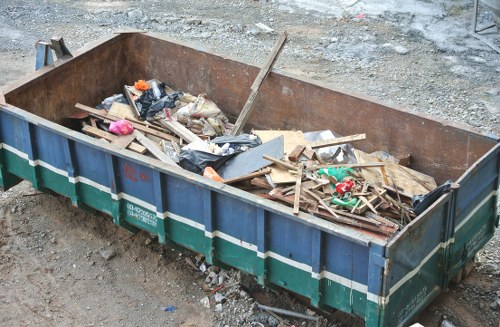
London has an unusually wide mix of property types, and each one creates different clearance requirements. A mansion block in Kensington may have concierge access and building rules for collection times. A purpose-built flat in Stratford may have underground parking restrictions. A terraced conversion in Peckham may have narrow stairways and shared hallways. Even in the same borough, access can vary dramatically from one address to the next.
For many customers, flat clearance is needed at moments when time is already under pressure. You may be dealing with the end of a tenancy, preparing a property for sale, organising probate, clearing after a relocation, or making a flat ready for refurbishment. In each case, the goal is the same: remove unwanted items safely, avoid unnecessary delays, and leave the property ready for the next step.
Professional clearance support can also help reduce the burden on families, landlords, estate agents, and letting teams. Instead of trying to manage heavy lifting, sorting, and disposal on your own, you can hand over the practical work to a local service that understands how to work efficiently in the city.
Typical reasons customers book a flat clearance
- End of tenancy and move-out preparation
- Probate and estate clearance
- Preparing a flat for sale or letting
- Clearing after a refurbishment or renovation
- Removing bulky furniture, white goods, and general clutter
- Clearing storage-heavy homes where items have built up over time
- Working through a property that needs to be emptied before cleaning or decorating
What Is Included in a Flat Clearance Service?

A good flat clearance service should cover much more than simply carrying items away. It should be organised, careful, and suited to the specific layout of the property. Some customers need a full emptying of the flat. Others only need certain rooms, a loft space, a balcony, or a mix of furniture and household contents removed.
Flat clearance in London often includes bulky items that are difficult to move without planning. Sofas, wardrobes, beds, mattresses, tables, shelves, appliances, boxes, and general household contents may all be part of the job. In some cases, there may also be items in storage cupboards, on roof terraces, in garages, or in shared basement spaces.
Many clients also need help with sorting. A professional team can separate items that are to be removed from those that are being kept, which is especially helpful in probate clearances or when family members are managing a property from different locations. This can make a difficult task feel far more structured and under control.
Common items removed during a clearance
- Furniture such as beds, sofas, tables, chairs, and cabinets
- Domestic appliances including fridges, freezers, washing machines, and cookers
- Boxes, books, clothes, and miscellaneous household contents
- Office items if the flat is also used for work or storage
- Garden furniture, balcony items, and outdoor storage contents where accessible
- Carpets, curtains, and general soft furnishings if required
Some properties need a partial clearance rather than a full one. For example, a landlord may only need one room emptied after a tenant leaves, or a homeowner may want a few large items removed before decorating. A flexible service should be able to adapt to that need rather than forcing a one-size-fits-all approach.
How the Process Works
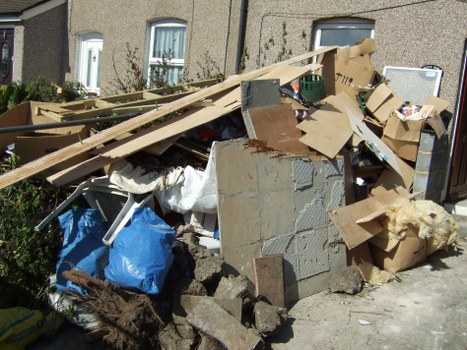
The process for a flat clearance should be clear from the start. Customers do not want uncertainty, unnecessary visits, or complicated arrangements. A local team should make it easy to explain what is inside the property, what needs removing, and when access is available.
Usually, the service begins with an enquiry and an overview of the flat. This may be based on photos, a description of the rooms, or a visit where needed. From there, the scope of the work can be agreed, including whether the job is a partial clearance, a full property clearance, or a more sensitive assignment such as probate or landlord turnover.
On the day, the team arrives ready to work around the realities of the building. That may mean reserving a loading bay, working with a lift booking, using stairs carefully, or planning a route that avoids blocking neighbours and shared access. In London, these small details make a big difference to how smoothly the clearance goes.
What customers can expect on the day
- Arrival within the arranged time window
- Review of the items to be removed
- Careful sorting if multiple areas or item categories are involved
- Safe lifting and transport through the building
- Loading and removal from the property
- Final check to ensure the agreed areas are cleared
It is always helpful when the team works tidily and respectfully, especially in flats where neighbours are close by. A well-run service keeps disruption low and focuses on completing the job efficiently without leaving unnecessary mess behind.
Why Local London Knowledge Makes a Difference

There is a real advantage to choosing a local team for flat clearance in London. The city’s roads, parking rules, building layouts, and access restrictions can all affect how a job is carried out. A service that understands these conditions can plan more realistically and avoid the kinds of delays that frustrate customers.
For example, many London streets have controlled parking, permit zones, or limited stopping space. If a property is on a busy road in areas such as Camden, Islington, Brixton, Clapham, Hammersmith, Walthamstow, or Greenwich, the clearance team may need to organise the visit carefully to avoid congestion and make loading easier. In blocks with managed entrances, access may also need to fit building rules or concierge schedules.
Local experience is also useful when dealing with different styles of homes. A compact studio in Shoreditch may require a very different handling plan from a larger split-level flat in Ealing or a converted warehouse apartment near the Thames. A nearby team is more likely to understand the pace of the area and how to work efficiently within it.
Benefits of choosing a local service
- Better understanding of London traffic and parking restrictions
- More practical planning for stairs, lifts, and narrow access points
- Flexible timing for busy residential and commercial buildings
- Less disruption for neighbours and building managers
- Knowledge of varied property styles across the capital
When you need a flat clearance in London, local experience is not a luxury; it is often what makes the difference between a job that runs smoothly and one that becomes unnecessarily difficult.
Types of Customers We Support

Flat clearance is not only for homeowners. In London, the service is used by a wide range of customers with very different needs. Some are managing a family home after a move. Others need a property emptied for a letting cycle. Some are handling business-related premises that include living quarters or storage areas. Others are dealing with a property that has been left full after a tenancy or a long period of occupancy.
Residential customers often need help during major life changes. That can include a move to another part of the city, a downsizing project, a house sale, or clearing a flat after family members have made decisions about what should be kept. Landlords may need a fast turnaround between tenancies, especially when a flat needs to be cleaned, repaired, or re-advertised quickly.
Commercial customers also benefit from a careful clearance service. Some flats are used as live-work spaces, short-stay accommodation, or managed units for business purposes. In those cases, the clearance needs to be practical, discreet, and well organised so the property can return to use without delay.
Common customer groups
- Homeowners and tenants
- Landlords and letting agents
- Estate agents managing property preparation
- Executors and family members handling probate
- Property managers and block managers
- Businesses with residential or mixed-use spaces
Preparing for a Flat Clearance
Preparation helps the clearance go more smoothly and can save time on the day. You do not usually need to do a major amount of work, but a few simple steps can make the process easier for everyone involved. If there are items you want to keep, it is best to separate them in advance where possible. If access is limited, letting the team know early is important so the right plan can be made.
In London flats, small access details matter. If the building requires a fob, intercom, concierge check-in, lift booking, or a parking permit, these need to be arranged before the team arrives. If there are items in the loft, under-bed storage, or locked cupboards, it helps to mention them when booking. The more accurate the information, the smoother the clearance.
For customers managing a sensitive situation such as probate or a long-term family property, it can also help to label anything that is to be retained. That avoids confusion and keeps the process organised. A professional team should respect instructions carefully and work through the property in line with what has been agreed.
Preparation checklist
- Identify items that must stay in the flat
- Make note of any fragile, valuable, or sensitive belongings
- Check building access rules and parking arrangements
- Let the team know about stairs, lifts, or restricted entry points
- Clear pathways where possible, especially in tight hallways
- Tell the service if there are heavy appliances, locked rooms, or awkward items
Good preparation does not mean you must do the hard work yourself. It simply helps the clearance team work more effectively once they arrive.
Pricing Factors to Consider
Customers often want to understand what affects the cost of a flat clearance before booking. While exact pricing depends on the property and the work involved, there are several common factors that influence the final quotation. Being aware of these helps set realistic expectations and makes it easier to compare services fairly.
The size of the flat is one of the biggest considerations. A studio with a small number of items will naturally take less time than a large two- or three-bedroom flat filled with furniture, appliances, and general contents. The amount of labour needed, the ease of access, and the volume of material to be removed all play a role.
Other factors can include the number of floors involved, whether a lift is available, whether parking is nearby, and whether the job needs to be carried out during restricted hours. If items are especially heavy, awkward, or spread across several rooms, the work may also take longer. In some cases, the required sorting or the sensitivity of the clearance can influence planning as well.
Factors that may affect the quotation
- Flat size and number of rooms
- Volume and type of items to be cleared
- Access conditions, including stairs and lifts
- Parking distance from the property
- Building rules or timed access arrangements
- Need for partial vs full clearance
- Any special handling for fragile or sensitive contents
When you request a quote, the more detail you can give, the better. Clear information helps a local team assess the job accurately and avoid surprises on the day.
Why Choose a Specialist for Flat Clearance in London?
Choosing a specialist team is often the most sensible option when a flat needs clearing quickly and properly. London properties are not all the same, and a service that understands the city’s housing stock can deal with the practical issues more confidently. That matters whether the property is in a modern apartment block in Canary Wharf, a converted flat in Hackney, or a period building in Notting Hill.
A specialist should be used to working carefully through occupied buildings, respecting neighbours, and keeping disruption low. This can be particularly important in apartment blocks where lifts are shared, entrances are monitored, or neighbours are close enough to hear noise quickly. A professional approach is not just about moving items; it is about managing the process in a way that suits the building and the people around it.
There is also value in having one clear service handle the full task rather than piecing together help from several sources. When the same team can assess the flat, clear the contents, and leave the space ready for follow-up work, the customer benefits from a simpler and more efficient experience.
What a specialist team should bring to the job
- Careful planning for access and removal routes
- Efficient handling of bulky and mixed contents
- Understanding of residential and commercial property needs
- Respectful work in occupied or sensitive buildings
- Flexible support for partial or full clearances
For many customers, this is the difference between a stressful task and a straightforward one.
Areas Covered Across London
A local flat clearance service should be able to support customers across a wide spread of London neighbourhoods and boroughs. From inner-city apartments to outer London estates, the needs can vary widely, but the core service remains the same: remove the agreed contents safely and efficiently.
Customers in areas such as Central London, North London, South London, East London, and West London often face different access issues, but they still need the same dependable service. Common examples include flats near busy high streets, properties above shops, leasehold homes in managed blocks, and apartments in regenerated neighbourhoods with strict access rules.
It is also common for people to contact a clearance team when the property is slightly outside the most central areas but still part of the wider London market. A flexible local provider can usually support jobs across a broad range of residential and mixed-use locations, as long as access and scheduling are discussed clearly from the start.
- Central areas and nearby zones
- Inner boroughs with dense apartment buildings
- Outer borough flats, maisonettes, and estates
- Converted properties and purpose-built blocks
- Residential streets, managed developments, and mixed-use buildings
If you are unsure whether your location can be covered, it is best to request a quote and explain the property type and access details. That way, the team can confirm whether the work is suitable and plan accordingly.
Frequently Asked Questions
Do I need to move items outside before the team arrives?
Not usually. In most cases, the team can collect items directly from inside the flat. If there are restrictions on access, it is useful to explain them before the booking so arrangements can be made.
Can a clearance be done if the flat is on an upper floor?
Yes. Many London flats are on upper floors, and this is a common part of the service. The building layout, stairs, lift access, and parking situation simply need to be taken into account.
What if I only need part of the flat cleared?
That is no problem. Partial clearances are common. You may only want furniture removed from one room, a storage area emptied, or a few large items taken away before redecorating.
Is probate clearance handled differently?
Yes, it can be. Probate and estate clearances often need extra care, especially when family members are deciding what should be kept, removed, or stored. A sensitive, organised approach is especially important in these cases.
Can you work around building access rules?
In many cases, yes. London buildings may have concierge procedures, lift bookings, time slots, or parking controls. A local team should be able to plan around those requirements when they are known in advance.
How far in advance should I book?
It is best to book as early as you can, especially if you are working to a move-out deadline, tenancy change, or property sale timetable. If your need is urgent, mention that when requesting a quote.
When Flat Clearance Is the Right Choice
There are times when a flat needs more than a simple collection service. If the contents are spread throughout several rooms, if there are multiple heavy items, or if the space must be fully emptied before cleaning or decorating, a proper clearance is the sensible choice. It gives you a structured way to deal with the property without trying to manage every item individually.
This is particularly useful when the property has been lived in for a long time or when several people are involved in deciding what stays and what goes. Having a clear plan reduces confusion and helps everyone move forward with the next stage, whether that is a sale, a let, or refurbishment work.
For London customers, speed and practicality matter. A professionally handled clearance can help you meet deadlines, avoid last-minute stress, and make sure the property is left in a condition suitable for follow-up work.
Good reasons to arrange a clearance now
- You are preparing for a tenancy end or move-out date
- The flat needs to be emptied before cleaning or repairs
- You are handling a property for sale or probate
- Bulky items are blocking progress on renovation work
- You want a tidy, cleared space without doing the lifting yourself
Book Your Flat Clearance in London
If you are looking for reliable flat clearance in London, the best next step is to request a quote and explain the property, access details, and the amount of work involved. A local team can then assess the job properly and help you plan the most suitable approach.
Whether you need a full flat emptied or just a few large items removed, professional clearance support can save time and reduce hassle. It is especially helpful in a city where access, parking, and building rules often make even a simple job more involved than expected.
When you are ready, contact us today, request a free quote, or book your service now. The sooner the details are confirmed, the easier it is to arrange a smooth and efficient clearance that fits your schedule.