Waste Recycling in London
If you are looking for waste recycling in London, you are likely dealing with a practical local issue: too much unwanted material, limited space, busy streets, and the need to dispose of items responsibly without disrupting your home or business. Whether you are clearing out a flat in Camden, managing office waste near Canary Wharf, refurbishing a shop in Clapham, or handling regular commercial recycling in Stratford, the right service can make a big difference.
London is a city where waste streams are varied. Homes produce cardboard, plastics, furniture, white goods, garden waste, and general rubbish. Businesses generate packaging, office paper, metal, timber, mixed recyclables, and bulky items. Construction and renovation projects add plasterboard, rubble, wood, and scrap materials to the mix. A local recycling-focused service helps keep these materials moving toward the correct processing route, with less hassle for you and less impact on the environment.
This page is designed for local customers who want a clear, practical, and trustworthy way to arrange waste recycling London services. It explains what is included, how the process works, which materials are commonly handled, what affects pricing, and why choosing a team familiar with London properties and roads can save time and stress. If you are ready to clear space and dispose of materials properly, request a free quote or book your service now.
Why Waste Recycling Matters in London
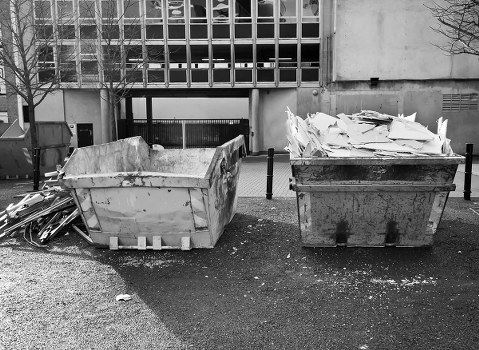
London produces huge volumes of waste every day, but not all of it belongs in the same bin or skip. Recycling is important because it helps reduce the amount sent to landfill or incineration, conserves resources, and supports more responsible reuse of materials. For residents and businesses, it also provides a cleaner, safer, and more efficient way to deal with items that have built up over time.
In many parts of the city, space is at a premium. Flats in Islington, terraced homes in Walthamstow, basement properties in Kensington, and converted buildings in Hackney all tend to have limited storage. That means unwanted waste can quickly become a problem. A recycling service gives you a straightforward solution when the council collection is too limited, the items are too bulky, or the material needs sorting before disposal.
There is also the practical side. Many London streets have restricted parking, controlled zones, narrow access, and busy traffic. A local crew understands these conditions and can plan collection times, loading methods, and vehicle access more effectively. That makes the process smoother for customers and reduces the chance of delays.
Who Our Recycling Service Is For
Waste recycling in London is useful for a wide range of customers. It is not just for large commercial projects. In fact, many of the most common requests come from ordinary homes, landlords, property managers, and small businesses that need a reliable way to remove materials responsibly.
Typical customers include:
- Homeowners and tenants clearing out lofts, garages, sheds, and spare rooms
- Landlords and letting agents handling end-of-tenancy clearances and abandoned items
- Office managers replacing desks, chairs, filing units, and packaging waste
- Shop owners and hospitality businesses dealing with regular mixed recycling and bulky items
- Builders and tradespeople needing responsible removal of renovation and fit-out waste
- Estate and block managers arranging communal waste clearances for residential buildings
Whatever the setting, the goal is the same: remove what is no longer needed, separate recyclable materials where possible, and handle the job with minimal disruption. That is especially valuable in central and inner London, where access windows can be short and shared spaces must be kept tidy.
What Can Be Recycled or Collected?
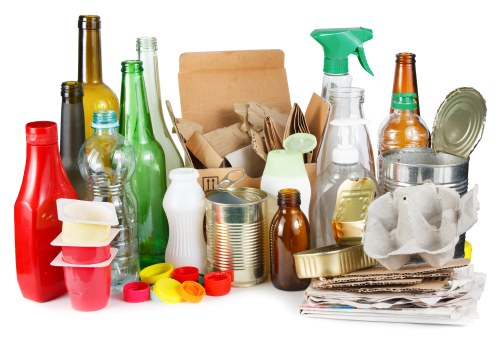
Different materials require different handling, and a good recycling service will identify what can be recycled, reused, or sent to the appropriate facility. The exact list may vary depending on the condition and quantity of the items, but common collections include a wide range of household, commercial, and light construction materials.
Common recyclable and recoverable items
These are some of the materials often handled through waste recycling services across London:
- Cardboard and packaging materials
- Office paper and mixed paper waste
- Metal items such as shelving, fixtures, and scrap pieces
- Wood from furniture, pallets, and some renovation waste
- Plastics from packaging and disassembled items
- Electrical equipment and appliances, where suitable for correct processing
- Textiles, carpets, and soft furnishings, depending on material type
- Garden waste such as branches, cuttings, and soil in limited quantities
- Bulky household items, including tables, wardrobes, chairs, and beds
Important: some items may need special handling due to their size, composition, or condition. Materials such as hazardous waste, certain chemicals, asbestos, and regulated electrical or clinical waste usually require specific procedures. If you are unsure about an item, ask before booking so it can be assessed properly.
How Waste Recycling in London Works
Most customers want a service that is simple, fast, and clear. The process should not feel complicated. In practice, recycling collection usually follows a few straightforward steps, designed to reduce effort for you while ensuring materials are processed correctly.
First, you explain what needs to be removed. This may be a few bags of mixed waste, a bulky furniture collection, or ongoing business recycling support. Next, the team assesses the job, including access, volume, material type, and any special handling needs. Once the collection is scheduled, the team arrives, loads the waste, and sorts items for recycling or appropriate disposal.
For many London customers, this is far easier than hiring a vehicle, finding a disposal point, or trying to move large items through stairwells and tight entrances. It is especially useful when time is limited or when several different materials need to be separated properly.
Step-by-step service process

- Initial enquiry: share a description of your waste, property type, and preferred time window.
- Collection planning: the team considers access, parking, loading space, and any building restrictions.
- Arrival and assessment: the crew checks the materials on site and confirms the work.
- Removal and sorting: items are loaded and separated for recycling where possible.
- Final clearance: the area is left tidy, with waste moved away efficiently.
This straightforward approach works well for flats, houses, retail units, offices, and construction sites across London. It is particularly helpful in places where loading must be done quickly and carefully, such as busy roads in Westminster, mixed-use streets in Southwark, or residential blocks in Greenwich.
When booking, it helps to mention stairs, lifts, courtyard access, shared entrances, or any parking limitations. That allows the team to plan the right vehicle and staffing level, making the visit more efficient and less disruptive.
What Is Included in the Service?
Customers often want to know exactly what they are paying for. A reliable recycling collection service should be transparent about what is included and what may require extra discussion. While each job is different, many local customers value a service that covers the loading, handling, and onward movement of waste materials without unnecessary complications.
Depending on the job, the service may include:
- Collection from homes, commercial premises, or project sites
- Loading of bulky, awkward, or mixed waste items
- Sorting materials into appropriate recycling streams where possible
- Removal of packaging, furniture, and general recyclable items
- Clean-up of the immediate collection area
- Advice on items that require separate handling
Some jobs are straightforward, such as collecting flattened cardboard from an office or removing old furniture from a flat. Others involve a mix of materials, restricted access, or time-sensitive collection around deliveries or tenancy handovers. A service built around London conditions should be ready for both.
London Properties and Access Challenges
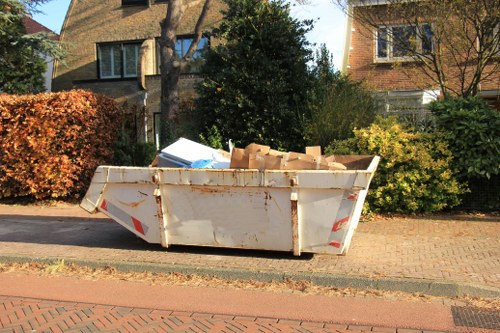
One of the biggest reasons local experience matters is the variety of property types and access conditions across the capital. London is not one uniform place. A job in a Victorian terrace in Battersea can be very different from a collection in a modern apartment block in Docklands or a shop unit above a parade of stores in Ealing.
Common access issues in London
- Restricted or paid parking
- Congestion and loading restrictions
- Narrow streets and one-way systems
- Basement, top-floor, or split-level access
- Stairs with no lift or small lifts unsuitable for bulky items
- Shared entrances and managed buildings with time restrictions
- Red routes and busy main roads requiring careful timing
These practical factors can turn a simple clearance into a frustrating task if the team is not prepared. A local provider understands that efficiency matters. That means bringing the right equipment, allowing enough labour, and planning around the realities of London streets and buildings.
For customers, this often means less waiting, less disruption to neighbours, and a smoother collection overall. Whether you live near a station, on a busy high street, or in a gated estate, experienced planning can make the process much easier.
Residential Waste Recycling for Homes and Flats
Households often build up more recyclable material than expected. Old furniture, broken storage units, appliance packaging, renovation offcuts, and general clutter can quickly fill a room, loft, or garage. This is common in London homes where storage space is limited and waste removal must be handled carefully.
Residential waste recycling is useful for:
- Pre-move clearances
- After-build and refurbishment waste
- Garden waste removal for houses with outdoor space
- Loft, basement, and garage clearances
- Single bulky items or multiple loads
- End-of-tenancy waste left behind by previous occupants
Many people also use the service when they are downsizing, renovating, or preparing a property for sale. In London, where property turnover can be fast and time pressure is common, having a responsive recycling team can prevent delays and help keep everything on track.
Commercial Waste Recycling for London Businesses

Business waste is often more predictable than household waste, but it can also be more demanding. Offices, shops, restaurants, cafés, salons, clinics, and workshops all generate different types of recyclable materials, often on a regular basis. A commercial recycling solution should be practical, dependable, and suited to the rhythm of your operation.
Typical commercial recycling needs
- Office clearances and workspace updates
- Packaging waste from deliveries and stock movement
- Furniture disposal during refits or relocations
- Retail strip-outs and back-of-house clearances
- Hospitality waste from refurbishments and kitchen changes
- Ongoing mixed recyclables from business operations
Commercial customers often need a service that can work around opening hours, staff schedules, and delivery timings. In places such as the West End, Shoreditch, King’s Cross, or Battersea, that may mean early morning access, short loading windows, or careful coordination with building management. A local team used to London business districts can make these arrangements more workable.
For businesses, a clean and organised recycling process is not just convenient; it also supports better site management. Clear corridors, tidy stockrooms, and reduced clutter can improve safety and help staff focus on daily operations.
Pricing Factors: What Affects the Cost?
Customers often ask about price, and it is sensible to understand what influences the quote. Because every collection is different, a fixed price for all jobs would rarely be practical. Instead, the final cost is usually shaped by a combination of workload, materials, and access conditions.
Common pricing factors include:
- Volume of waste: a few items versus a full property clearance
- Weight and type of material: mixed recyclables, heavy items, or awkward materials
- Access conditions: stairs, distance to vehicle, lift availability, and parking
- Labour required: how many people are needed to safely remove the items
- Urgency and timing: same-day, short notice, or out-of-hours needs
- Special handling requirements: items that need extra care or separate processing
The most useful way to approach pricing is to provide as much detail as possible at the enquiry stage. Photos, a rough list of items, and information about access can all help create a more accurate quote. This saves time and helps avoid surprises on the day.
Tip: if you have a mix of recyclable and non-recyclable material, mention that too. The team can then explain the best way to handle the collection and whether any items should be separated before arrival.
Why Choose a Local London Recycling Team?
Choosing a local company for waste recycling in London is about more than convenience. It often leads to a better service because local teams understand the city’s constraints, customer expectations, and building types. They know how to navigate busy roads, when certain streets are easier to access, and how to handle collections in homes and businesses with limited loading space.
Local knowledge is especially helpful in areas with:
- Controlled parking zones and permits
- Congestion and access restrictions
- Large blocks of flats with managed entry points
- Mixed residential and commercial streets
- Busy high streets where timing matters
It also helps with communication. When a team regularly works across London, they are better placed to suggest sensible collection windows and prepare for common challenges before they become problems. For customers, that means a more reliable and less stressful experience.
Local benefits at a glance
- Faster response times in many parts of the city
- Better understanding of parking and access issues
- More practical scheduling around local traffic patterns
- Knowledge of homes, flats, offices, and retail premises
- Less disruption to neighbours, staff, and building users
Areas Covered Across London
Waste recycling services can support customers across a wide range of London neighbourhoods, from central districts to outer boroughs. Because every location has different roads, properties, and access conditions, local coverage should be broad enough to suit both one-off collections and repeat business needs.
Areas commonly served include, but are not limited to:
- Central London areas such as Westminster, Holborn, and the West End
- North London locations including Camden, Islington, Tottenham, and Finchley
- East London areas such as Hackney, Stratford, Bow, and Walthamstow
- South London districts including Clapham, Peckham, Croydon, and Wimbledon
- West London locations such as Ealing, Hammersmith, Acton, and Chiswick
- Docklands and business areas including Canary Wharf and surrounding districts
Coverage across multiple boroughs is useful for landlords, managing agents, and businesses with sites in different parts of the capital. It also helps when collections need to be arranged quickly in response to tenancy changes, refurbishments, or stockroom clear-outs.
If your area is not listed here, it may still be covered. The easiest next step is to request a quote and share your postcode, property type, and collection requirements.
Preparation Checklist Before Collection
A little preparation can make your collection quicker and more efficient. You do not need to do the heavy lifting yourself if that is part of the job, but organising the site in advance helps the team work smoothly and can reduce delays.
Before your booking, consider the following checklist:
- Separate items if you already know what is recyclable and what is general waste.
- Clear a route to the items if possible, especially through hallways or shared entrances.
- Check whether parking or loading access needs arranging in advance.
- Let building management or neighbours know if access will be affected.
- Keep fragile, personal, or valuable items away from the collection area.
- Tell the team about stairs, lifts, locked gates, or timed access windows.
- Make sure someone is available if confirmation is needed on the day.
Even if you cannot prepare everything, do not worry. Many customers book collections precisely because they need help dealing with awkward, heavy, or time-consuming waste. A professional team will understand that every site is different and adapt where possible.
Frequently Asked Questions
Do you handle both household and business waste?
Yes. Waste recycling in London is commonly arranged for homes, flats, offices, retail units, hospitality venues, and construction-related sites. The approach depends on the volume and type of material involved.
Can you help with bulky items?
Yes. Bulky items such as furniture, shelving, wardrobes, desks, and similar materials are often part of recycling collections. If the items are large or difficult to move, mention that when enquiring so the team can plan correctly.
What if I have a mix of recyclable and general waste?
That is very common. Mixed loads can usually be assessed on site, and recyclable materials can be separated where possible. If you know some items need special handling, it is best to mention them beforehand.
Do I need to sort everything before the collection?
Not always. Some customers sort items in advance, while others book a mixed collection. If you are short on time, ask what preparation is needed. The team can often advise on the simplest option.
How far in advance should I book?
That depends on your schedule and the size of the job. Some collections can be arranged quickly, while larger or more complex waste recycling jobs may need a little more planning. If you have a deadline such as a move-out, refurbishment, or business opening, mention it early.
Can you work around restricted access times?
Often, yes. This is especially relevant for apartment blocks, managed offices, and commercial streets with loading restrictions. Clear communication about timings helps the service fit around your needs.
Why Customers Choose Recycling-Focused Removal
Many people are not simply looking to “get rid” of waste; they want it handled responsibly. A recycling-focused service is appealing because it combines convenience with a more thoughtful approach to disposal. Customers increasingly want to know that their unwanted materials are being processed properly rather than simply dumped.
There are several practical reasons to choose this type of service:
- It reduces clutter quickly and efficiently
- It supports better material recovery where possible
- It is suitable for homes, offices, and project sites
- It avoids the effort of arranging multiple disposal trips
- It works well for people with limited time, transport, or lifting ability
For London customers, this is often the most realistic option when dealing with space constraints, busy schedules, and varied waste types. It is also a sensible choice for landlords and businesses who want a reliable system for recurring clearances or occasional bulk disposal.
Practical support when you need it
Whether you are clearing a single room or managing repeated commercial collections, the value of a dependable local service lies in simplicity. You should be able to explain what needs removing, receive a clear response, and arrange a suitable collection without unnecessary back-and-forth.
When to get in touch
It is a good idea to enquire as soon as the waste starts affecting your space, safety, or schedule. If items are blocking access, taking up storage, or causing problems for staff or tenants, contact us today to discuss the best way forward. If you already know the date you need the area cleared, book your service now so you can plan with confidence.
Final Thoughts on Waste Recycling in London
London life moves quickly, and waste can build up just as fast. From small home clearances to commercial site removals, the right service helps you deal with unwanted materials responsibly and without unnecessary stress. A local recycling team understands the city’s access issues, property types, and time pressures, which makes the whole process easier for customers.
If you need waste recycling London support for a flat, house, office, shop, or renovation project, the best next step is to share what you need removed and ask for a quote. Clear communication, practical planning, and a recycling-led approach can save time and help you make the most of your available space.
Request a free quote today and arrange a service that suits your property, your schedule, and your waste removal needs.