Council Waste Collection in London
Keeping up with rubbish, bulky items, garden cuttings, and recycling can be challenging in a busy city, especially when space is tight and collection days do not always match your schedule. Council Waste Collection in London is an important part of keeping homes, flats, offices, shops, and shared buildings clean and manageable. Whether you live in a terraced house in Southwark, a purpose-built flat in Ealing, a converted building in Islington, or run a small business in Hackney, the need for reliable waste removal is the same: you want the right rubbish taken away at the right time, without stress, delays, or confusion.
Many Londoners rely on their local council for day-to-day waste and recycling services, but it is not always straightforward. Collection schedules vary by borough, different materials go into different bins, and bulky or unusual items often require separate arrangements. Missed collections, restricted access, parking issues, and limited storage space can all create problems. That is why having a clear understanding of how council collections work, what they include, and when alternative waste removal support may be useful is so valuable.
For residents and businesses across the capital, the practical details matter. If your bins are overflowing, if a tenancy changeover is coming up, or if you need to clear out refuse quickly from a property with awkward access, you need a service that is easy to organise and fits London life. This page explains the essentials in a customer-friendly way, helping you understand the service, prepare properly, and decide the best next step. If you need help beyond standard council arrangements, contact us today to request a free quote and discuss your collection needs.
What Council Waste Collection Means for London Households and Businesses

Council waste collection usually refers to the regular removal of household rubbish, recycling, and in some areas food or garden waste by the local borough authority. In London, this service is the backbone of everyday waste management for millions of people. It helps maintain clean streets, reduces fly-tipping, and ensures waste is moved to the appropriate treatment or recycling stream. For most households, it is the routine collection service you depend on each week or fortnight, but it also extends to other needs such as bulky waste booking or special collection arrangements.
For domestic customers, this can include residual waste, mixed recycling, food waste, and garden waste where available. For commercial premises, the picture can be more varied. Some councils offer commercial waste services directly, while others expect businesses to use licensed private providers. That distinction is important for shops, cafes, offices, salons, landlords, managing agents, and communal property operators who must stay compliant while also keeping their premises tidy and safe.
London is unique because the city is made up of many boroughs, each with its own collection rules, calendar, and bin provision. A collection routine that works in Croydon may differ from one in Camden, Greenwich, Wandsworth, or Barnet. This means local knowledge matters. When you understand how the borough system works, you can avoid missed bins, unnecessary contamination, and last-minute problems that create extra hassle for residents and staff alike.
Why Council Collections Can Be Challenging in London
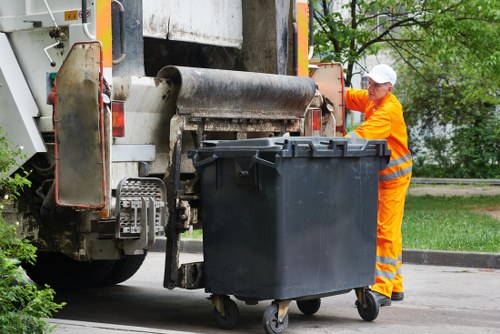
London properties often present practical waste challenges that are less common in suburban or rural settings. Flats above shops, basement homes, mansion blocks, and converted houses may have narrow hallways, steep stairs, shared bin stores, locked gates, or limited street frontage. Even when the council collection day is known, getting waste to the kerbside or collection point can be difficult. If refuse sacks are too heavy, the route is blocked, or the bin store is overflowing, the system can quickly become frustrating.
Parking and access are another major issue. In many parts of the city, refuse vehicles and collection crews have to work around controlled parking zones, bus lanes, one-way systems, loading restrictions, and busy traffic. For residents, that can mean missed timing windows or the need to bring bins out at precise hours. For businesses, waste may need to be stored safely until collection, which can be difficult in compact premises or on busy high streets.
There are also seasonal and lifestyle factors. After a move, a renovation, a flat clear-out, or a garden tidy-up, the usual council service may not be enough for the amount or type of waste created. If the wrong materials are placed in the wrong container, the bin may be left uncollected. If a bulky item is too large for standard collection rules, it may need special booking. In these situations, knowing your options can save time and reduce stress.
What Is Typically Included in Council Waste Collection
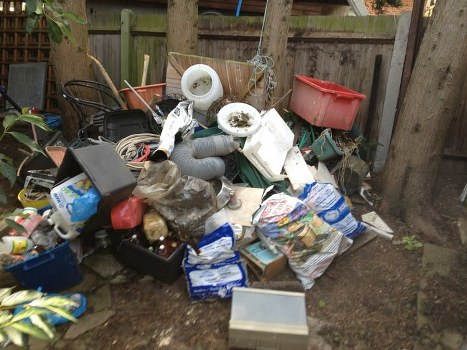
While services vary by borough, most standard council waste collection arrangements in London focus on everyday household and communal waste. A typical service may include the following:
- General household rubbish collected from wheelie bins, sacks, or communal containers
- Mixed recycling such as paper, card, plastic packaging, tins, and cans
- Food waste collection in areas where separate food bins are provided
- Garden waste collection in boroughs that offer a paid or scheduled service
- Bulky waste collection for larger items arranged separately
- Special collections for items such as mattresses, white goods, or electricals where available
Some councils also provide additional options for communal properties, housing associations, and managed estates. This can include larger shared bins, extra capacity at certain times of year, or specific schedules for blocks of flats. However, the availability and frequency of these services depend on the borough and the property setup. It is always worth checking what applies to your area rather than assuming the same rules apply across London.
Important note: not all items can go into council bins. Hazardous materials, some electrical items, construction waste, and certain commercial materials may require separate handling. When in doubt, it is safer to arrange the correct service rather than risk contamination, fines, or collection refusal.
How the Service Works for Local Customers
For most residents, council waste collection works on a schedule set by the borough. Bins or containers are placed out on the correct day, usually at an agreed point outside the property or in a communal collection area. The collection crew empties the bins and returns them where possible. In some areas, black bag collections or box-based recycling may still be used, especially in streets with limited storage space.
For bulky items, special bookings are often required. That may involve choosing a collection slot, listing the items, and following placement instructions so crews can remove them safely. Depending on the borough, there may be limits on the number of items, the type of waste accepted, or the time allowed for set-out. This can be especially relevant for London flats, HMOs, and landlord-managed properties where waste needs to be organised carefully around tenants and turnover periods.
For commercial customers, the process can differ again. Businesses may need dedicated waste bins, scheduled commercial waste lifts, or specific arrangements for cardboard, glass, food waste, or confidential material. In busy areas such as Westminster, the City fringe, Shoreditch, Stratford, Wimbledon, or Shepherd’s Bush, timing and collection access often have to be planned carefully to avoid disruption to customers, staff, and deliveries.
When You May Need More Than Standard Council Collection
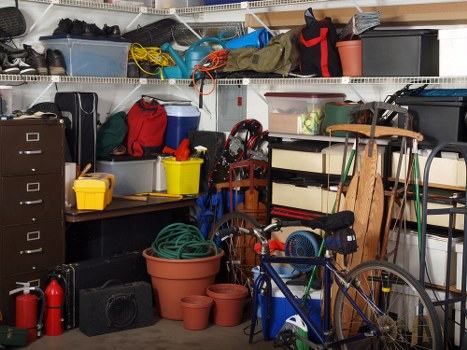
There are plenty of times when council services are suitable, but there are also situations where residents and businesses need additional help. This is particularly true in London, where properties are often tightly packed and waste can build up quickly. You may need extra support if:
- You are moving out of a flat and need a fast clear-out
- You have renovation waste that cannot go into normal bins
- You are managing a probate property or empty rental home
- Your building has a blocked bin store or a backlog of waste
- You run a small business and generate more rubbish than standard domestic collections allow
- You need help removing bulky items from upper floors or difficult access locations
In these cases, a local waste collection team can often provide a more flexible solution. That might include loading support, same-day or scheduled uplift options, or help with mixed waste that is not suitable for standard council bins. For many customers, this is not about replacing the council system altogether; it is about filling the gap when the usual service is not enough.
Local flexibility can make a big difference when you are trying to keep a property clean, prepare for handover, or clear space quickly. The right support can reduce inconvenience, especially where stair access, narrow roadways, or permit parking make disposal more complicated.
What London Customers Often Struggle With

Local customers across London often raise the same practical concerns, even if their properties and boroughs are different. Understanding these common issues helps you plan waste removal more effectively and avoid unnecessary delays.
1. Limited storage space
Many homes in London do not have room for large bins, sheds, or bag storage. This is especially true in apartments, converted properties, and older houses split into flats. Waste can accumulate quickly if collection day is missed or if more rubbish is created than usual.
2. Shared bins and communal responsibility
In blocks of flats, responsibility for waste may be shared among multiple households. If residents do not follow the rules, bins can overflow and collections can be delayed. This often creates tension in the building and increases the need for tidy, timely waste management.
3. Bulky items and awkward loads
Mattresses, sofas, broken furniture, and appliances are difficult to move, especially in stair-only buildings or properties with restricted lift access. Even when the council offers a bulky waste service, the set-up may not suit your schedule or the amount you need removed.
4. Busy streets and parking restrictions
Parking controls can make it difficult for crews to access properties in central and inner London. If your street is narrow or heavily monitored, collection timing needs to be precise and carefully planned.
5. Confusion over recycling rules
Recycling rules can differ from one borough to another. What is accepted in one district may not be accepted in another, and contamination can lead to missed pickups. A little local clarity can prevent a lot of frustration.
Why a Local London Waste Team Is Useful
A local team understands the realities of working in the capital. That means more than simply knowing the borough names. It means understanding access routes, parking limitations, common property layouts, and the practical pressures of city living. When a waste collection team works regularly across London, they know how to plan around busy roads, concierge systems, permit-controlled streets, and estate access arrangements.
Local service matters because waste removal is not just about lifting rubbish; it is about doing it safely, efficiently, and with minimal disruption. If you live near a narrow mews in Kensington, a busy estate in Lewisham, or a mixed-use building in Hammersmith, the collection process needs to be handled with care. A team familiar with London conditions can adapt better than a one-size-fits-all approach.
For landlords, managing agents, and business owners, local support is especially helpful when deadlines matter. A vacant property may need clearing before new tenants move in. A shop refit may leave packaging and waste that must be removed promptly. A restaurant may need food waste and packaging managed without affecting daily trading. In each case, responsiveness and local knowledge add real value.
What to Expect from a Professional Waste Collection Service
When you arrange support for council waste-related needs or an additional rubbish collection, it helps to know what a professional service should cover. While the exact offering will vary, customers usually want a straightforward process that saves time and keeps the property tidy.
- Clear explanation of what can and cannot be collected
- Advice on access, parking, and collection timing
- Help with lifting and loading where appropriate
- Responsible handling and disposal of collected waste
- Options for household, commercial, or mixed property needs
- Flexible scheduling to suit busy London routines
Some customers only need a one-off uplift, while others want ongoing support for communal bins, office waste, or recurring clearances. The right service should make the process simple and practical, rather than creating more admin for you. That is especially useful for people balancing work, travel, family commitments, or property management responsibilities.
It is also worth looking for a provider that is transparent about what is included. If you are comparing options, ask whether the service covers loading, disposal, and access considerations, or whether you need to prepare everything yourself. A clear explanation at the start helps you choose the best fit for your property and waste type.
Preparation Checklist Before Your Collection
Good preparation makes any waste collection easier, especially in London where access can be tight and timing matters. Use the checklist below to get ready:
- Separate items into rubbish, recycling, and any specialist waste where possible
- Check whether the council or provider accepts the type of waste you have
- Make sure bins or bags are placed in the correct collection point
- Keep access routes clear for crews to move safely
- Reserve parking space if that is required in your street
- Remove any personal or confidential items from bags, boxes, or furniture
- Break down bulky items where practical and safe to do so
- Inform building managers or concierge staff if shared access is needed
If you live in a flat or managed block, it is often helpful to check any building rules about waste storage and set-out times. Some estates have specific bin room arrangements or loading bay requirements. For commercial premises, it can be useful to plan collections outside peak trading times to avoid disruption to customers and deliveries.
Preparation does not need to be complicated, but taking a few minutes to organise your waste can make the whole process quicker and safer. It also helps reduce the chance of refusals, missed items, or additional handling on the day.
Pricing Factors for Council Waste Collection and Extra Removal Support
Customers often want to know what affects the cost of waste collection, especially when comparing borough services with additional private support. Exact prices vary and should always be confirmed directly, but the main factors are usually easy to understand.
These can include:
- The volume or weight of the waste
- The type of items being collected
- Whether the waste is domestic or commercial
- Access difficulty, such as stairs, narrow entrances, or limited parking
- Whether loading assistance is needed
- The urgency of the collection
- Any special handling or segregation required
Council services may have fixed rules or specific fees for bulky waste, garden waste, or special collections, depending on the borough. Additional collection support may be priced according to the amount of waste and the labour involved. The most helpful approach is to describe what you have as accurately as possible, so you can receive a realistic quote or understand whether the borough service is enough for your situation.
Tip: if your property has difficult access, mention it early. In London, access details can affect everything from collection timing to the number of staff needed, so clear information leads to a smoother process.
Areas Covered Across London
Service needs are citywide, and waste collection issues appear in every type of London neighbourhood. Whether you are in central, north, south, east, or west London, local waste management support can make a difference. Areas commonly served by council and additional collection arrangements include:
- Central London districts such as Westminster, Camden, Islington, and Southwark
- East London areas including Hackney, Tower Hamlets, Newham, and Waltham Forest
- West London locations such as Ealing, Hounslow, Hammersmith and Fulham, and Kensington and Chelsea
- South London boroughs including Lambeth, Lewisham, Croydon, and Wandsworth
- North London areas such as Barnet, Haringey, Enfield, and Brent
Of course, every borough has its own collection arrangements and local rules. That is why customers often value a service that understands the city’s structure and can adapt to the property type, street layout, and access conditions. From compact studio flats to large office spaces, the needs can be very different, but the goal is always the same: tidy, reliable waste removal.
For landlords and property managers with buildings across several boroughs, consistency is especially useful. It helps keep multiple sites under control while allowing each location to be handled according to its own access and waste requirements.
Who Uses Council Waste Collection Services in London?
Waste collection is not just for homeowners. A wide range of local customers rely on council or supplementary waste removal arrangements every week. This includes tenants, leaseholders, landlords, housing associations, estate managers, small business owners, office administrators, shop managers, and contractors working on fit-outs or refurbishments.
Different property types create different waste patterns. A family home may produce a steady mix of household rubbish and recycling. A rental flat may need a clear-out between tenancies. A takeaway or restaurant may need regular disposal support for packaging and food-related waste. An office may generate cardboard, paper, and old equipment. The service needs change, but the requirement for reliable collection remains constant.
For many local customers, the best choice is a service that understands the mix of residential and commercial demand across London. That means being able to handle everyday waste, support bigger clearances, and work around the practical limitations of city properties without making the process harder than it needs to be.
Frequently Asked Questions
How do I know if my council collects my waste?
Your borough council normally sets out the collection days, bin types, and accepted materials for your address. If you are unsure, check your local waste schedule and building arrangements. For shared properties, ask the managing agent or building team where bins should be placed.
Can I put everything in one bin?
No. Most boroughs require waste to be separated into general rubbish and recycling, and some also provide food or garden waste collections. Putting the wrong items in the wrong bin can lead to collection issues.
What happens if my bin is missed?
If your bin was out on time and still not collected, report the issue through the appropriate borough process as soon as possible. Keep access clear and check whether contamination or obstruction may have affected the pickup.
Do I need a separate service for bulky items?
Often, yes. Sofas, mattresses, appliances, and other large items usually need a bulky waste booking or an alternative collection arrangement. The exact process depends on the council and the item type.
Can businesses use council waste collection?
Some businesses can use council services for certain waste streams, but many commercial premises need dedicated waste arrangements. It depends on the borough and the type of waste produced. A local provider can advise on the best fit.
What if I live in a flat with no easy bin access?
Many London flats have shared stores, tight stairways, or limited outside space. In these cases, planning matters. If the council arrangement is difficult to use, additional support may be the most practical option.
How soon can waste be collected?
Timing depends on the borough service or the provider you choose. If you need a faster uplift, ask about available slots and the collection process. Having accurate access details will help speed things up.
Book the Right Waste Collection Support for Your London Property
Whether you are managing a normal bin day, arranging a bulky waste uplift, or looking for a practical way to clear rubbish from a property with difficult access, the key is to choose a service that suits London living. Council collections remain essential, but they do not always cover every need. When extra help is required, a local team can offer the flexibility and responsiveness that busy households and businesses need.
From flats and terraces to offices and retail units, local waste collection is about keeping spaces usable, tidy, and compliant with the rules that apply in your borough. If you are dealing with a buildup of rubbish, a move-out deadline, or a one-off clearance, it makes sense to act early rather than let waste pile up.
Request a free quote today or book your service now if you need practical support with council waste collection in London. A straightforward, local approach can save time, reduce hassle, and help you get your property back under control.