Commercial Waste Disposal in London
If you run a business in the capital, you already know that waste builds up quickly. Offices generate paper, packaging, and confidential materials. Shops deal with cardboard, plastic wrap, and damaged stock. Restaurants and cafés produce food waste, glass, and mixed rubbish. Building sites, warehouses, schools, clinics, and managed properties all have their own waste streams too. Commercial waste disposal in London needs to be reliable, compliant, and practical for the way local businesses actually operate.
That is why many companies look for a local service that understands busy streets, tight loading windows, congestion charges, restricted access, and the day-to-day pressures of keeping a site tidy. Whether you need a one-off clear-out or a regular collection schedule, the right provider should make disposal straightforward and keep your premises presentable, safe, and efficient.
From small offices in converted terraces to large multi-floor premises near transport hubs, commercial waste services in London have to work around real-life conditions. The best arrangements are flexible, responsive, and suited to your site, your trade, and your operating hours. If you are comparing options, it helps to know what is included, how collections work, and what factors affect pricing.
Commercial Waste Disposal for London Businesses

Commercial waste disposal is more than simply taking rubbish away. It is the organised handling, collection, transport, and responsible processing of waste generated by businesses and organisations. In London, that often means dealing with a mix of office waste, retail packaging, food and beverage waste, building materials, bulky items, and confidential or sensitive materials that need specialist handling.
Businesses across central and outer London need services that can adapt to different property types. A shared office in the City may need discreet, early-morning collections. A restaurant in Soho might need frequent food waste removal. A retail store in Camden or Stratford may need cardboard collections timed around deliveries. Industrial units in Park Royal, Wembley, or Southwark may require larger containers and scheduled pickups that suit loading bays and yard access.
The aim is to keep your site clear without causing disruption. Commercial waste disposal in London works best when the collection plan fits the way your business runs, not the other way around. That means sensible timing, clear communication, and a process that is easy for staff to follow.
Why London Businesses Need a Local Waste Service

London has unique operational challenges. Traffic can affect collection times. Some streets have limited parking or loading restrictions. Many premises sit in mixed-use buildings with neighbours close by, so noise, odour, and tidiness matter. A local provider understands these realities and plans collections accordingly.
Choosing a team that works regularly across London also helps with responsiveness. If your business has a sudden clear-out after an office move, refurbishment, or stock change, a local crew is often better placed to arrange a suitable collection quickly. That matters in areas with fast-moving commercial activity such as Canary Wharf, the West End, Shoreditch, Kings Cross, Croydon, and Hammersmith.
Local knowledge can save time and reduce hassle. A team familiar with borough rules, access limitations, and building layouts is more likely to turn up prepared. For businesses, that means less disruption, fewer delays, and a cleaner, safer site for staff and visitors.
What Types of Commercial Waste Can Be Collected?
Most London businesses produce several categories of waste, and many need a service that can handle more than one stream. Common types include:
- Office waste such as paper, envelopes, folders, and general rubbish
- Cardboard and packaging from deliveries and stock arrivals
- Retail waste including hangers, damaged stock, wrapping, and display materials
- Food waste from restaurants, cafés, pubs, hotels, and canteens
- Glass from hospitality premises
- Bulky waste such as shelving, fixtures, and old furniture
- Light refurbishment waste, including timber, plasterboard, and fixtures
- Warehouse and industrial waste, depending on the site and material type
- Confidential materials that need secure handling and disposal
Some items require special care. For example, electronic waste, sharps, chemicals, and hazardous materials are usually subject to separate handling rules. If your business produces any of these, you should always ask what can be collected, what requires a specialist route, and how documentation is managed.
It is a good idea to be clear about what you need from the outset. The more accurate the information, the easier it is to arrange the right disposal method and keep your business compliant.
Who Uses Commercial Waste Services in London?
Commercial waste disposal supports a wide range of organisations. It is not just for large companies with dedicated facilities teams. Many small and medium-sized businesses need regular collections too, especially where space is limited and waste can quickly affect customer experience or workplace safety.
Typical customers include offices, shops, cafés, restaurants, pubs, hotels, landlords, managing agents, schools, healthcare premises, gyms, co-working spaces, workshops, and light industrial units. From a boutique in Notting Hill to a logistics site near Wembley, each business has a different waste profile and a different collection rhythm.
Managed residential buildings can also need commercial-style disposal arrangements for communal waste areas, refurbishment clearances, or landlord responsibilities. In London, where many buildings combine residential and business use, a practical waste solution often needs to fit shared access arrangements and narrow service routes.
How the Service Works

The process should be simple and efficient. A good service usually begins with an assessment of what kind of waste you produce, how often it builds up, and how your site can be accessed. For ongoing collections, this may involve agreeing a regular schedule. For one-off jobs, it may involve a collection window and details about the quantity and type of waste.
Here is a typical process:
- You explain the waste type, location, and collection needs.
- A suitable collection plan is arranged based on volume, frequency, and access.
- Waste is collected from the agreed point, such as a loading bay, bin store, yard, rear alley, or internal floor.
- Materials are sorted, transported, and handled in line with the required disposal route.
- You receive a clear service that keeps your site tidy and supports your duty of care.
For many businesses, the most useful service is one that fits around trading hours. Early morning, evening, or off-peak collection windows may help avoid customer disruption and reduce disruption to staff. That is particularly useful in busy retail streets, hospitality venues, or office buildings with shared entrances.
What Is Included in a Commercial Waste Disposal Service?

A proper business waste service should do more than just remove bags. It should help you keep control of waste on site and make the process easy for your team. Depending on your arrangement, service features may include:
- Scheduled or ad hoc waste collection
- Removal from a designated collection point
- Handling of mixed business waste and recyclables
- Collection of bulky items and clear-out waste
- Support for offices, retail units, hospitality venues, and trade premises
- Advice on separating waste streams where helpful
- Flexible timing to suit loading access and opening hours
- Responsible disposal through appropriate waste transfer routes
For busy sites, consistency matters. If rubbish is left too long, it can attract pests, create odour, cause blocked access, or make your premises look untidy. Reliable collection helps reduce those risks and keeps staff focused on work rather than waste.
For landlords and managing agents, a dependable service can also help protect common areas, loading zones, and bin storage spaces from overflow. This is especially important in buildings with several tenants sharing limited waste capacity.
London Access, Parking, and Collection Challenges
One of the biggest reasons businesses choose a local company is access. London is full of streets with restricted parking, one-way systems, narrow entrances, basement loading areas, and time-limited loading bays. In some areas, a collection team may need to plan around pedestrian zones, controlled access points, or building concierge procedures.
For example, offices near the Square Mile may have tight service entrances and security checks. Hospitality venues in Covent Garden or Mayfair often sit on busy streets with limited stopping time. Retail units in Oxford Street, Kensington, or Brixton may have narrow service corridors or shared rear access. Industrial estates in Ealing, Enfield, or Tottenham may have easier vehicle access but larger waste volumes and specific yard rules.
These practical issues are part of why a London-based waste provider can be valuable. Experience with local roads and property layouts helps collections run more smoothly. It also reduces the chance of missed pickups, delays, or confusion about where waste should be left.
Commercial Waste Disposal in London for Different Property Types
Different sites need different approaches. A single method will not suit every business property in the capital. The most effective service is tailored to the building and the way it is used.
Offices
Office waste often includes paper, packaging, consumables, and old furniture. In multi-floor buildings, collection may need to work around lifts, reception areas, security desks, and shared service routes. Many office clients want a neat, discreet service that avoids interrupting staff or visitors.
Retail premises
Shops and showrooms frequently deal with cardboard, wrapping, damaged goods, point-of-sale materials, and seasonal stock packaging. Waste can build up quickly after deliveries, product launches, or store refits, so a responsive service is often useful.
Hospitality venues
Restaurants, pubs, cafés, and hotels often need frequent collections because waste volumes rise fast and odour control matters. Food waste, glass, cardboard, and mixed commercial rubbish may all need separate handling depending on the site setup.
Industrial and warehouse sites
Warehouses and workshops may produce large volumes of packaging, pallet wrap, damaged stock, and general site waste. Access may be better than in central areas, but collections may need larger capacity and a plan that works around deliveries, vehicles, and shift patterns.
Benefits of Using a Professional Service
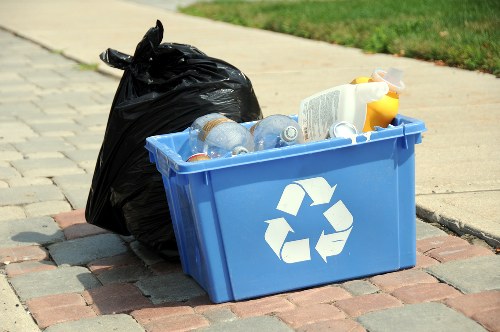
When waste is managed properly, your business benefits in several practical ways. The most immediate improvement is usually a cleaner, safer workspace. Clear floors and tidy storage areas reduce trip hazards and make day-to-day work easier.
Professional disposal can also support compliance. Businesses have responsibilities for how waste is stored, transferred, and handed over. A dependable service helps you meet those responsibilities without adding unnecessary admin to your team.
Other benefits include:
- Better appearance for customers and visitors
- Less clutter in storage and service areas
- Reduced risk of pest issues and bad odours
- More efficient use of limited London space
- Collections timed to suit your business hours
- Less strain on staff who would otherwise manage waste internally
For many businesses, the real value is peace of mind. When waste is collected on time and handled properly, you can focus on trading, service quality, and operations instead of dealing with overflowing bins.
What Affects the Price of Commercial Waste Disposal?
Prices vary according to several factors, and it is normal for businesses to request a quote before committing to any service. While exact pricing depends on the provider and the job, the main cost factors usually include the type of waste, the quantity, how often collections are needed, and the complexity of access.
For example, mixed waste may cost differently from segregated recyclable materials. A one-off office clear-out may be priced differently from a regular bin collection contract. Waste that needs specialist handling may require a separate route. Sites with difficult access, parking limitations, or manual carry distances can also affect the work involved.
If you want a clear quote, it helps to prepare the following details:
- Your business type and location
- The waste materials involved
- Approximate volume or number of bags/items
- Whether the service is one-off or recurring
- Any access restrictions, loading bays, or time windows
- Any bulky items, confidential waste, or special handling needs
Request a free quote with these details ready and you are more likely to get a service that matches your needs from the start.
Preparation Checklist Before Your Collection
Good preparation makes collections faster and helps avoid delays. For a busy London site, even small steps can make a noticeable difference to how smoothly the day goes.
Before collection day
- Separate waste types where required
- Keep walkways, lifts, and service routes clear
- Move items to the agreed collection point if possible
- Check access codes, entry instructions, or site contact procedures
- Make sure bulky items can be safely moved without damage
- Flag any fragile, confidential, or restricted materials in advance
For office clear-outs
Remove personal items from desks, secure sensitive paperwork, and let staff know which areas are being cleared. If there is IT equipment involved, make sure it is handled through the correct route.
For retail and hospitality sites
Try to schedule collections around deliveries, opening times, and peak customer periods. Bin stores and rear access lanes should be checked for obstructions, especially in older central London buildings.
For managed buildings
Where multiple tenants share a waste area, it helps to notify building management in advance. This avoids confusion over access and ensures the right space is available when the team arrives.
Planning ahead can save time, reduce stress, and prevent wasted collection visits.
Why Local Businesses Choose a London-Based Provider
There are plenty of reasons a local company can be the better option. A team that works across London every day is likely to understand the pace of the city, the different borough requirements, and the practicalities of business collections in dense urban areas.
That local understanding is useful whether you are in a high-rise office near Liverpool Street, a hospitality venue in Southbank, a studio in Hackney, a medical practice in Fulham, a workshop in Acton, or a retail unit in Greenwich. Each area has its own access challenges and collection patterns.
A nearby provider is also more likely to respond well when your needs change. Businesses rarely stay static. You may take on a refurbishment, expand stock, switch suppliers, or move premises. It helps to have a waste partner who can adjust without making the process complicated.
Areas Covered Across London
Commercial waste disposal services are commonly required across Central, North, East, South, and West London. Coverage often includes busy commercial districts, residential-commercial mixed areas, industrial zones, and town centres where business waste builds up quickly.
Examples of areas businesses often enquire from include:
- City of London and nearby financial districts
- Westminster, Soho, Covent Garden, and Mayfair
- Shoreditch, Bethnal Green, Hackney, and Stratford
- Canary Wharf, Poplar, and Docklands
- Kensington, Chelsea, Hammersmith, and Fulham
- Camden, Islington, and King’s Cross
- Lambeth, Southwark, Waterloo, and South Bank
- Brixton, Clapham, Wandsworth, and Battersea
- Ealing, Acton, Wembley, and Park Royal
- Enfield, Tottenham, Wood Green, and surrounding districts
If your premises sit just outside the centre, that does not mean you should settle for a slower or less flexible service. Businesses in outer boroughs still need prompt collections, practical scheduling, and a provider that can get to site without difficulty.
Common Questions from London Customers
How often should my business waste be collected?
It depends on the amount of waste your business generates. A small office may only need occasional collections, while a restaurant or high-volume retail site may need far more frequent service. The right schedule depends on space, turnover, and how quickly waste fills up.
Can you collect from a basement or rear access area?
In many cases, yes, provided the access is safe and the collection arrangements are clear. Many London premises have basement storage, rear service lanes, or shared bin stores, so it helps to explain the layout in advance.
Do I need to separate all waste myself?
Some separation can help improve efficiency and may be needed for certain waste streams, but the exact approach depends on the materials involved. If you are unsure, ask for advice before the collection is arranged.
Can one-off clear-outs be arranged?
Yes, many businesses need a one-off collection after an office move, refit, stock change, or closure. These jobs are common across London and are often easiest when details are provided early.
What if my building has restricted access?
That is very common in London. A good service should be able to work with access codes, concierge instructions, timed loading bays, and building rules as long as they are explained clearly beforehand.
Is commercial waste different from household waste?
Yes. Business waste must be managed through the correct commercial route, with proper handling, transfer, and disposal arrangements. This is one reason local companies and landlords usually prefer a dedicated commercial service.
Choose a Service That Fits the Way You Work
Every business wants waste removed without extra hassle. The best arrangement is one that feels almost invisible in day-to-day operations: bins are emptied on time, clear-outs are handled efficiently, and the site stays tidy enough for staff, customers, and contractors to move around safely.
That is especially important in London, where space is valuable and disruption is expensive. If rubbish blocks a loading bay, clutters a corridor, or overflows near a customer entrance, it can quickly become more than a housekeeping issue. It can affect professionalism, safety, and workflow.
Whether you need routine collections or a one-off removal, commercial waste disposal in London should be organised around your schedule, your property, and your waste volumes. A practical, local service can make a significant difference to how smoothly your premises run.
Contact us today to discuss your business waste needs, request a free quote, or book your service now if you are ready to get started.
Final Things to Consider Before You Book
Before confirming a provider, it is worth checking a few essentials. These include the types of waste they can take, whether they offer collections that suit your opening hours, how they handle access and parking restrictions, and whether they can support recurring or one-off work as your needs change.
For many local customers, the right decision comes down to reliability, clarity, and convenience. A waste service should be easy to arrange, easy to manage, and suited to the realities of running a business in London. If it saves time, keeps the site clear, and removes an ongoing problem from your team’s plate, it is doing its job well.
Ready to improve your waste management? Contact us today, request a free quote, or book your service now and take the next step toward a cleaner, more organised workplace.